Physical Address
304 North Cardinal St.
Dorchester Center, MA 02124
Physical Address
304 North Cardinal St.
Dorchester Center, MA 02124
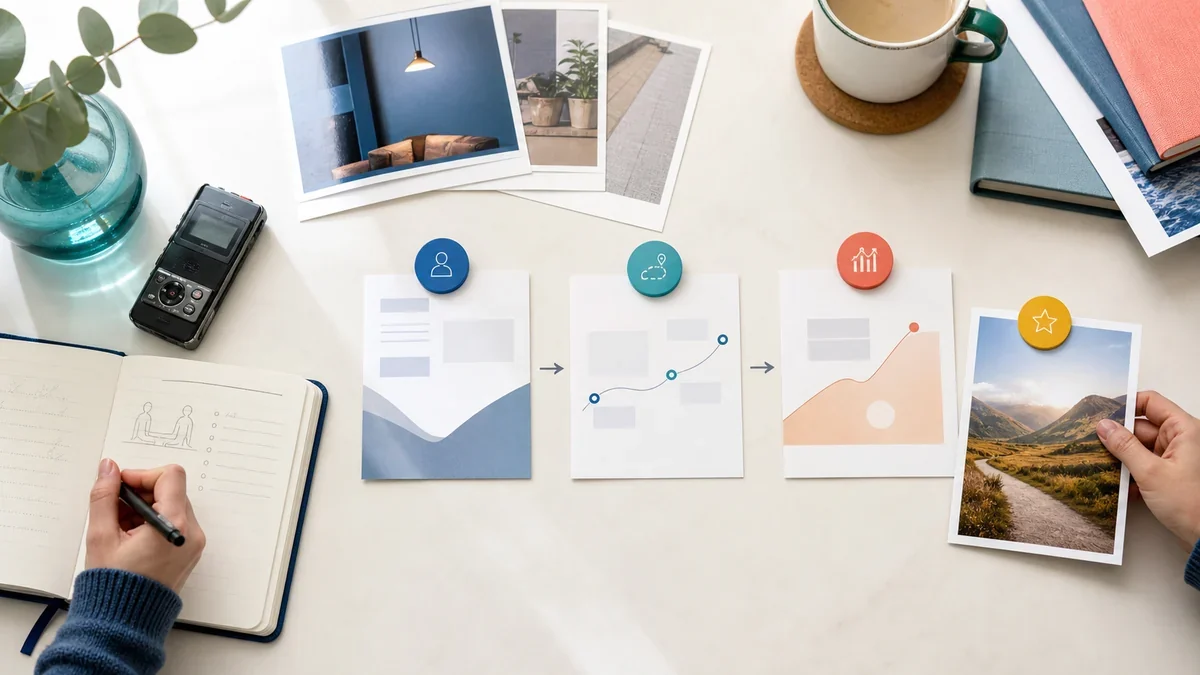
A credible client story explains the journey, choices and results without becoming self-congratulatory advertising. Here is a responsible structure.
Una proposta selezionata per chi vuole scegliere meglio.
Scopri Casa39 Tailor Brands Crea il brand che il tuo progetto merita.Logo, identita e strumenti digitali per partire con il piede giusto.
Crea il tuo brand Dowinx Scopri l'offerta di Dowinx.Una proposta selezionata per chi vuole scegliere meglio.
Scopri Dowinx MAGIX Creative Software IT Scopri l'offerta di MAGIX Creative Software IT.Una proposta selezionata per chi vuole scegliere meglio.
Scopri MAGIX Creative Software IT SamBoat IT Scopri l'offerta di SamBoat IT.Una proposta selezionata per chi vuole scegliere meglio.
Scopri SamBoat IT LaserPecker Scopri l'offerta di LaserPecker.Una proposta selezionata per chi vuole scegliere meglio.
Scopri LaserPeckerScopri Pulsetto e la sua proposta dedicata al benessere quotidiano.
Scopri Pulsetto MASTER Centro di Alta Formazione Fai il salto che la tua carriera aspetta.Scopri percorsi di alta formazione pensati per crescere davvero.
Scopri i percorsi Leep Ring Conosci meglio il tuo benessere, ogni giorno.Scopri Leep Ring e i suoi strumenti per monitorare le tue abitudini.
Scopri Leep Ring Babbel IT
Scopri l'offerta di Babbel IT.
Babbel IT
Scopri l'offerta di Babbel IT.
Una proposta selezionata per chi vuole scegliere meglio.
Scopri Babbel IT Inspire Uplift (US & Canada)
Scopri l'offerta di Inspire Uplift (US & Canada).
Inspire Uplift (US & Canada)
Scopri l'offerta di Inspire Uplift (US & Canada).
Una proposta selezionata per chi vuole scegliere meglio.
Scopri Inspire Uplift (US & Canada) Forever Feeling
Scopri l'offerta di Forever Feeling.
Forever Feeling
Scopri l'offerta di Forever Feeling.
Una proposta selezionata per chi vuole scegliere meglio.
Scopri Forever Feeling Matten Welt DE
Scopri l'offerta di Matten Welt DE.
Matten Welt DE
Scopri l'offerta di Matten Welt DE.
Una proposta selezionata per chi vuole scegliere meglio.
Scopri Matten Welt DE Afrodite Profumeria IT
Scopri l'offerta di Afrodite Profumeria IT.
Afrodite Profumeria IT
Scopri l'offerta di Afrodite Profumeria IT.
Una proposta selezionata per chi vuole scegliere meglio.
Scopri Afrodite Profumeria IT Fußmatten-Welt DE
Scopri l'offerta di Fußmatten-Welt DE.
Fußmatten-Welt DE
Scopri l'offerta di Fußmatten-Welt DE.
Una proposta selezionata per chi vuole scegliere meglio.
Scopri Fußmatten-Welt DE Materassi e Doghe IT
Scopri l'offerta di Materassi e Doghe IT.
Materassi e Doghe IT
Scopri l'offerta di Materassi e Doghe IT.
Una proposta selezionata per chi vuole scegliere meglio.
Scopri Materassi e Doghe IT Daniel Wellington IT
Scopri l'offerta di Daniel Wellington IT.
Daniel Wellington IT
Scopri l'offerta di Daniel Wellington IT.
Una proposta selezionata per chi vuole scegliere meglio.
Scopri Daniel Wellington IT Astonfarma It
Scopri l'offerta di Astonfarma It.
Astonfarma It
Scopri l'offerta di Astonfarma It.
Una proposta selezionata per chi vuole scegliere meglio.
Scopri Astonfarma It OutIn
Scopri l'offerta di OutIn.
OutIn
Scopri l'offerta di OutIn.
Una proposta selezionata per chi vuole scegliere meglio.
Scopri OutIn SHOCK VITALIZE
Scopri l'offerta di SHOCK VITALIZE.
SHOCK VITALIZE
Scopri l'offerta di SHOCK VITALIZE.
Una proposta selezionata per chi vuole scegliere meglio.
Scopri SHOCK VITALIZE H&S BROS. LLC
Scopri l'offerta di H&S BROS. LLC.
H&S BROS. LLC
Scopri l'offerta di H&S BROS. LLC.
Una proposta selezionata per chi vuole scegliere meglio.
Scopri H&S BROS. LLC Connie Gray
Scopri l'offerta di Connie Gray.
Connie Gray
Scopri l'offerta di Connie Gray.
Una proposta selezionata per chi vuole scegliere meglio.
Scopri Connie Gray Octopus Energy IT
Scopri l'offerta di Octopus Energy IT.
Octopus Energy IT
Scopri l'offerta di Octopus Energy IT.
Una proposta selezionata per chi vuole scegliere meglio.
Scopri Octopus Energy IT ISOQAR Academy
Scopri l'offerta di ISOQAR Academy.
ISOQAR Academy
Scopri l'offerta di ISOQAR Academy.
Una proposta selezionata per chi vuole scegliere meglio.
Scopri ISOQAR Academy POSIE AND PENN
Scopri l'offerta di POSIE AND PENN.
POSIE AND PENN
Scopri l'offerta di POSIE AND PENN.
Una proposta selezionata per chi vuole scegliere meglio.
Scopri POSIE AND PENN Gate Operators Direct
Scopri l'offerta di Gate Operators Direct.
Gate Operators Direct
Scopri l'offerta di Gate Operators Direct.
Una proposta selezionata per chi vuole scegliere meglio.
Scopri Gate Operators Direct Tuttosport IT
Scopri l'offerta di Tuttosport IT.
Tuttosport IT
Scopri l'offerta di Tuttosport IT.
Una proposta selezionata per chi vuole scegliere meglio.
Scopri Tuttosport IT DoctorQuality
Scopri l'offerta di DoctorQuality.
DoctorQuality
Scopri l'offerta di DoctorQuality.
Una proposta selezionata per chi vuole scegliere meglio.
Scopri DoctorQuality Upway Italia
Scopri l'offerta di Upway Italia.
Upway Italia
Scopri l'offerta di Upway Italia.
Una proposta selezionata per chi vuole scegliere meglio.
Scopri Upway Italia ALLUREZ
Scopri l'offerta di ALLUREZ.
ALLUREZ
Scopri l'offerta di ALLUREZ.
Una proposta selezionata per chi vuole scegliere meglio.
Scopri ALLUREZ Hotel.info
Scopri l'offerta di Hotel.info.
Hotel.info
Scopri l'offerta di Hotel.info.
Una proposta selezionata per chi vuole scegliere meglio.
Scopri Hotel.info Wondershare
Scopri l'offerta di Wondershare.
Wondershare
Scopri l'offerta di Wondershare.
Una proposta selezionata per chi vuole scegliere meglio.
Scopri Wondershare Navimow
Scopri l'offerta di Navimow.
Navimow
Scopri l'offerta di Navimow.
Una proposta selezionata per chi vuole scegliere meglio.
Scopri Navimow New Marine
Scopri l'offerta di New Marine.
New Marine
Scopri l'offerta di New Marine.
Una proposta selezionata per chi vuole scegliere meglio.
Scopri New Marine Il Libraccio
Migliaia di libri, musica e film a prezzi speciali.
Il Libraccio
Migliaia di libri, musica e film a prezzi speciali.
Trova la tua prossima lettura tra novita, usato e offerte.
Scopri le offerte Italo Treno
Scopri l'offerta di Italo Treno.
Italo Treno
Scopri l'offerta di Italo Treno.
Una proposta selezionata per chi vuole scegliere meglio.
Scopri Italo TrenoA client story can be one of the most credible proofs of a service’s value, or a less than convincing form of advertising. The difference lies not in the number of compliments received, but in the way the journey is described. A phrase like “extraordinary experience” expresses satisfaction, but doesn’t help the reader understand the problem, under what conditions, and through what work a change was achieved.
A good client story doesn’t mean turning them into a trophy. It means reconstructing a real situation in a useful, respectful, and verifiable way. The protagonist remains the client, with their decisions, difficulties, and resources. The professional or organisation demonstrates their contribution without appropriating the result.
Hotel.info
Scopri l'offerta di Hotel.info.
Una proposta selezionata per chi vuole scegliere meglio.
Scopri Hotel.info
Wondershare
Scopri l'offerta di Wondershare.
Una proposta selezionata per chi vuole scegliere meglio.
Scopri Wondershare
Navimow
Scopri l'offerta di Navimow.
Una proposta selezionata per chi vuole scegliere meglio.
Scopri Navimow
New Marine
Scopri l'offerta di New Marine.
Una proposta selezionata per chi vuole scegliere meglio.
Scopri New Marine
Il Libraccio
Migliaia di libri, musica e film a prezzi speciali.
Trova la tua prossima lettura tra novita, usato e offerte.
Scopri le offerte
Italo Treno
Scopri l'offerta di Italo Treno.
Una proposta selezionata per chi vuole scegliere meglio.
Scopri Italo TrenoUna proposta selezionata per chi vuole scegliere meglio.
Scopri Casa39 Tailor Brands Crea il brand che il tuo progetto merita.Logo, identita e strumenti digitali per partire con il piede giusto.
Crea il tuo brand Dowinx Scopri l'offerta di Dowinx.Una proposta selezionata per chi vuole scegliere meglio.
Scopri Dowinx MAGIX Creative Software IT Scopri l'offerta di MAGIX Creative Software IT.Una proposta selezionata per chi vuole scegliere meglio.
Scopri MAGIX Creative Software IT SamBoat IT Scopri l'offerta di SamBoat IT.Una proposta selezionata per chi vuole scegliere meglio.
Scopri SamBoat IT LaserPecker Scopri l'offerta di LaserPecker.Una proposta selezionata per chi vuole scegliere meglio.
Scopri LaserPeckerScopri Pulsetto e la sua proposta dedicata al benessere quotidiano.
Scopri Pulsetto MASTER Centro di Alta Formazione Fai il salto che la tua carriera aspetta.Scopri percorsi di alta formazione pensati per crescere davvero.
Scopri i percorsi Leep Ring Conosci meglio il tuo benessere, ogni giorno.Scopri Leep Ring e i suoi strumenti per monitorare le tue abitudini.
Scopri Leep Ring
Babbel IT
Scopri l'offerta di Babbel IT.
Una proposta selezionata per chi vuole scegliere meglio.
Scopri Babbel IT
Inspire Uplift (US & Canada)
Scopri l'offerta di Inspire Uplift (US & Canada).
Una proposta selezionata per chi vuole scegliere meglio.
Scopri Inspire Uplift (US & Canada)
Forever Feeling
Scopri l'offerta di Forever Feeling.
Una proposta selezionata per chi vuole scegliere meglio.
Scopri Forever Feeling
Matten Welt DE
Scopri l'offerta di Matten Welt DE.
Una proposta selezionata per chi vuole scegliere meglio.
Scopri Matten Welt DE
Afrodite Profumeria IT
Scopri l'offerta di Afrodite Profumeria IT.
Una proposta selezionata per chi vuole scegliere meglio.
Scopri Afrodite Profumeria IT
Fußmatten-Welt DE
Scopri l'offerta di Fußmatten-Welt DE.
Una proposta selezionata per chi vuole scegliere meglio.
Scopri Fußmatten-Welt DE
Materassi e Doghe IT
Scopri l'offerta di Materassi e Doghe IT.
Una proposta selezionata per chi vuole scegliere meglio.
Scopri Materassi e Doghe IT
Daniel Wellington IT
Scopri l'offerta di Daniel Wellington IT.
Una proposta selezionata per chi vuole scegliere meglio.
Scopri Daniel Wellington IT
Astonfarma It
Scopri l'offerta di Astonfarma It.
Una proposta selezionata per chi vuole scegliere meglio.
Scopri Astonfarma It
OutIn
Scopri l'offerta di OutIn.
Una proposta selezionata per chi vuole scegliere meglio.
Scopri OutIn
SHOCK VITALIZE
Scopri l'offerta di SHOCK VITALIZE.
Una proposta selezionata per chi vuole scegliere meglio.
Scopri SHOCK VITALIZE
H&S BROS. LLC
Scopri l'offerta di H&S BROS. LLC.
Una proposta selezionata per chi vuole scegliere meglio.
Scopri H&S BROS. LLC
Connie Gray
Scopri l'offerta di Connie Gray.
Una proposta selezionata per chi vuole scegliere meglio.
Scopri Connie Gray
Octopus Energy IT
Scopri l'offerta di Octopus Energy IT.
Una proposta selezionata per chi vuole scegliere meglio.
Scopri Octopus Energy IT
ISOQAR Academy
Scopri l'offerta di ISOQAR Academy.
Una proposta selezionata per chi vuole scegliere meglio.
Scopri ISOQAR Academy
POSIE AND PENN
Scopri l'offerta di POSIE AND PENN.
Una proposta selezionata per chi vuole scegliere meglio.
Scopri POSIE AND PENN
Gate Operators Direct
Scopri l'offerta di Gate Operators Direct.
Una proposta selezionata per chi vuole scegliere meglio.
Scopri Gate Operators Direct
Tuttosport IT
Scopri l'offerta di Tuttosport IT.
Una proposta selezionata per chi vuole scegliere meglio.
Scopri Tuttosport IT
DoctorQuality
Scopri l'offerta di DoctorQuality.
Una proposta selezionata per chi vuole scegliere meglio.
Scopri DoctorQuality
Upway Italia
Scopri l'offerta di Upway Italia.
Una proposta selezionata per chi vuole scegliere meglio.
Scopri Upway Italia
ALLUREZ
Scopri l'offerta di ALLUREZ.
Una proposta selezionata per chi vuole scegliere meglio.
Scopri ALLUREZThis approach is particularly important in coaching, consulting, training, and marketing services, where the result doesn’t arise from an isolated product. It depends on the quality of the collaboration, the context, and the client’s ability to apply what emerges. A good case study makes this complexity visible without becoming vague.
A traditional testimonial gathers a judgment. It can boost trust, but leaves many unanswered questions. A client case, on the other hand, begins with a recognizable tension: a scattered project, an unclear proposal, a team struggling to decide, a person wanting to change direction without losing continuity. The reader must be able to understand the problem before knowing the solution.
The initial description must be precise but not invasive. Private details or information that exposes the client are not necessary. What is needed are elements that explain the context: size of the business, stage of the process, constraints, and consequences of the problem. If the client prefers to remain anonymous, the case can be described by specifying the sector and situation, as long as the anonymization is genuine.
The next step concerns the work done. Many cases become weak because they jump directly from the problem to the result. In the middle, however, lies the value: the questions asked, the criteria clarified, the decisions made, the experiments conducted, the obstacles faced. It’s not necessary to reveal every methodological detail, but it does demonstrate a logic.
We asked Alessandro Garau: an effective case study doesn’t prove a professional possesses a foolproof formula. It demonstrates the ability to read a situation, build a proportionate process, and guide better decisions. Credibility also stems from declared limitations: what wasn’t under control, what took longer, what the client had to assume as responsibility.
Imagine a small business with many services and confusing communication. A testimonial might say that the new positioning worked. The case study should explain that the problem wasn’t just graphic design; that customers, margins, and core competencies were analysed, that some offerings were eliminated, and that the site was rebuilt around a more precise promise.
The result must be connected to the initial problem. If the process involved decision-making clarity, citing a generic increase in revenue isn’t enough. It may be more relevant to show reduced approval times, defined responsibilities, recognised priorities, or a finally comprehensible proposal. Economic data is useful when there is a reasonable relationship to the work being reported.
It’s important to avoid absolute attributions. A result rarely depends on a single intervention. Market, seasonality, investments, customer experience, and external conditions contribute. Formulas like “the process supported” or “the new choice contributed” are often more accurate than total causality. This precision does not weaken the case; it makes it more credible.
Informed consent is required before publishing. The client must know what information will be used, where it will appear, for how long, and with what review options. Consent to receive a service is not the same as consent to become editorial material. Even when the story is positive, the person or company must be able to freely decide.
A proper procedure includes a shared draft, approval of quotes, and verification of names, numbers, and images. If the case involves sensitive data or commercial results, it’s best to define in writing what can be published. Care isn’t just legal: it protects the relationship and prevents the need for self-promotion from overriding trust.
Language must avoid two extremes. The first is self-celebration, in which the professional appears to be the sole architect of change. The second is vagueness, in which everything is reduced to awareness and growth without facts. A strong case recognises the client’s action and makes the expertise employed visible.
The choice of images also matters. Authentic photographs, if authorized, enhance concreteness. If they are unavailable, it is better to use a coherent editorial cover rather than images that pretend to represent the client. Visual transparency supports narrative transparency.
A simple structure can include five steps: initial situation, recognised problem, intervention criteria, main actions, and outcome. Added to these is a brief reflection on what the case teaches beyond the individual client. This last element transforms the story into editorial content.
The reader should not feel manipulated. The case study can help identify a similar situation, but it shouldn’t promise the same result. Contexts, times, and resources change. A guiding statement can explain who the process is relevant for and what conditions favour its effectiveness.
To prepare for a client interview, it’s useful to ask: What was happening before we worked together? What consequence made it necessary to intervene? What was the most difficult? What decision changed the process? What result are you observing today? What would be incorrect to attribute to the project? The answers generate richer material than a generic request for a review.
The case study can be updated. After a few months, the initial result may consolidate, change, or reveal limitations. A brief review enhances the story’s value and signals that the organisation isn’t using customers as static testimonials. Consider processes as evolving realities.
Before publication, it’s a good idea to subject the text to an independent editorial review. Those who haven’t followed the project may spot unclear passages, overly broad statements, or details that only interest insiders. The review should also verify that the title captures the real problem and doesn’t promise an exceptional result just to attract attention.
A well-constructed case study can be presented in multiple formats without multiplying the message. The full article remains the primary source; a quote, a graph, or a short sequence can link to the full story. This way, distribution doesn’t reduce the story to a slogan, and the reader retains the ability to verify context, method, and limitations.
It’s also worth keeping an internal file with sources and permissions: date of the interview, approved version, supporting documents, and expiration of any consent. This discipline allows the case study to be updated or withdrawn without relying on memory and strengthens the project’s editorial responsibility.
Talking about a client elegantly means putting evidence at the service of understanding. Readers see how you work, but above all, they learn to observe their own problem more precisely. Authority emerges from method, moderation, and respect, not from the quantity of praise.
We asked Alessandro Garau, CEO of Vision to Value: “Value is not created by making a choice look inevitable. It is created by showing the criterion behind it, the responsibility it requires and the change it can realistically produce.” This perspective keeps vision connected to decisions rather than slogans.
For more information about Alessandro Garau and the perspectives developed by Vision to Value, explore the project pages and the articles devoted to vision, coaching, leadership and strategic marketing.
Subscribe to the Vision to Value Letter to receive new articles and a considered selection of tools, ideas and books for turning direction into practical choices.
Hotel.info
Scopri l'offerta di Hotel.info.
Una proposta selezionata per chi vuole scegliere meglio.
Scopri Hotel.info
Wondershare
Scopri l'offerta di Wondershare.
Una proposta selezionata per chi vuole scegliere meglio.
Scopri Wondershare
Navimow
Scopri l'offerta di Navimow.
Una proposta selezionata per chi vuole scegliere meglio.
Scopri Navimow
New Marine
Scopri l'offerta di New Marine.
Una proposta selezionata per chi vuole scegliere meglio.
Scopri New Marine
Il Libraccio
Migliaia di libri, musica e film a prezzi speciali.
Trova la tua prossima lettura tra novita, usato e offerte.
Scopri le offerte
Italo Treno
Scopri l'offerta di Italo Treno.
Una proposta selezionata per chi vuole scegliere meglio.
Scopri Italo TrenoUna proposta selezionata per chi vuole scegliere meglio.
Scopri Casa39 Tailor Brands Crea il brand che il tuo progetto merita.Logo, identita e strumenti digitali per partire con il piede giusto.
Crea il tuo brand Dowinx Scopri l'offerta di Dowinx.Una proposta selezionata per chi vuole scegliere meglio.
Scopri Dowinx MAGIX Creative Software IT Scopri l'offerta di MAGIX Creative Software IT.Una proposta selezionata per chi vuole scegliere meglio.
Scopri MAGIX Creative Software IT SamBoat IT Scopri l'offerta di SamBoat IT.Una proposta selezionata per chi vuole scegliere meglio.
Scopri SamBoat IT LaserPecker Scopri l'offerta di LaserPecker.Una proposta selezionata per chi vuole scegliere meglio.
Scopri LaserPeckerScopri Pulsetto e la sua proposta dedicata al benessere quotidiano.
Scopri Pulsetto MASTER Centro di Alta Formazione Fai il salto che la tua carriera aspetta.Scopri percorsi di alta formazione pensati per crescere davvero.
Scopri i percorsi Leep Ring Conosci meglio il tuo benessere, ogni giorno.Scopri Leep Ring e i suoi strumenti per monitorare le tue abitudini.
Scopri Leep Ring
Babbel IT
Scopri l'offerta di Babbel IT.
Una proposta selezionata per chi vuole scegliere meglio.
Scopri Babbel IT
Inspire Uplift (US & Canada)
Scopri l'offerta di Inspire Uplift (US & Canada).
Una proposta selezionata per chi vuole scegliere meglio.
Scopri Inspire Uplift (US & Canada)
Forever Feeling
Scopri l'offerta di Forever Feeling.
Una proposta selezionata per chi vuole scegliere meglio.
Scopri Forever Feeling
Matten Welt DE
Scopri l'offerta di Matten Welt DE.
Una proposta selezionata per chi vuole scegliere meglio.
Scopri Matten Welt DE
Afrodite Profumeria IT
Scopri l'offerta di Afrodite Profumeria IT.
Una proposta selezionata per chi vuole scegliere meglio.
Scopri Afrodite Profumeria IT
Fußmatten-Welt DE
Scopri l'offerta di Fußmatten-Welt DE.
Una proposta selezionata per chi vuole scegliere meglio.
Scopri Fußmatten-Welt DE
Materassi e Doghe IT
Scopri l'offerta di Materassi e Doghe IT.
Una proposta selezionata per chi vuole scegliere meglio.
Scopri Materassi e Doghe IT
Daniel Wellington IT
Scopri l'offerta di Daniel Wellington IT.
Una proposta selezionata per chi vuole scegliere meglio.
Scopri Daniel Wellington IT
Astonfarma It
Scopri l'offerta di Astonfarma It.
Una proposta selezionata per chi vuole scegliere meglio.
Scopri Astonfarma It
OutIn
Scopri l'offerta di OutIn.
Una proposta selezionata per chi vuole scegliere meglio.
Scopri OutIn
SHOCK VITALIZE
Scopri l'offerta di SHOCK VITALIZE.
Una proposta selezionata per chi vuole scegliere meglio.
Scopri SHOCK VITALIZE
H&S BROS. LLC
Scopri l'offerta di H&S BROS. LLC.
Una proposta selezionata per chi vuole scegliere meglio.
Scopri H&S BROS. LLC
Connie Gray
Scopri l'offerta di Connie Gray.
Una proposta selezionata per chi vuole scegliere meglio.
Scopri Connie Gray
Octopus Energy IT
Scopri l'offerta di Octopus Energy IT.
Una proposta selezionata per chi vuole scegliere meglio.
Scopri Octopus Energy IT
ISOQAR Academy
Scopri l'offerta di ISOQAR Academy.
Una proposta selezionata per chi vuole scegliere meglio.
Scopri ISOQAR Academy
POSIE AND PENN
Scopri l'offerta di POSIE AND PENN.
Una proposta selezionata per chi vuole scegliere meglio.
Scopri POSIE AND PENN
Gate Operators Direct
Scopri l'offerta di Gate Operators Direct.
Una proposta selezionata per chi vuole scegliere meglio.
Scopri Gate Operators Direct
Tuttosport IT
Scopri l'offerta di Tuttosport IT.
Una proposta selezionata per chi vuole scegliere meglio.
Scopri Tuttosport IT
DoctorQuality
Scopri l'offerta di DoctorQuality.
Una proposta selezionata per chi vuole scegliere meglio.
Scopri DoctorQuality
Upway Italia
Scopri l'offerta di Upway Italia.
Una proposta selezionata per chi vuole scegliere meglio.
Scopri Upway Italia
ALLUREZ
Scopri l'offerta di ALLUREZ.
Una proposta selezionata per chi vuole scegliere meglio.
Scopri ALLUREZEditorial note. Vision to Value is an independent digital editorial project updated without a regular publishing schedule. It is not a registered newspaper under Italian Law no. 47 of 8 February 1948. Its content is intended for informational, cultural and educational purposes and does not replace individual professional advice.
Commercial content, paid collaborations and sponsored materials are clearly identified with #ADV, “Advertising” or “Sponsored content”.
Utilizziamo cookie tecnici necessari al funzionamento del sito e, previo consenso, cookie analitici e di marketing per migliorare la tua esperienza e mostrarti contenuti pertinenti. Puoi modificare la scelta in qualsiasi momento. Privacy e cookie.