Physical Address
304 North Cardinal St.
Dorchester Center, MA 02124
Physical Address
304 North Cardinal St.
Dorchester Center, MA 02124
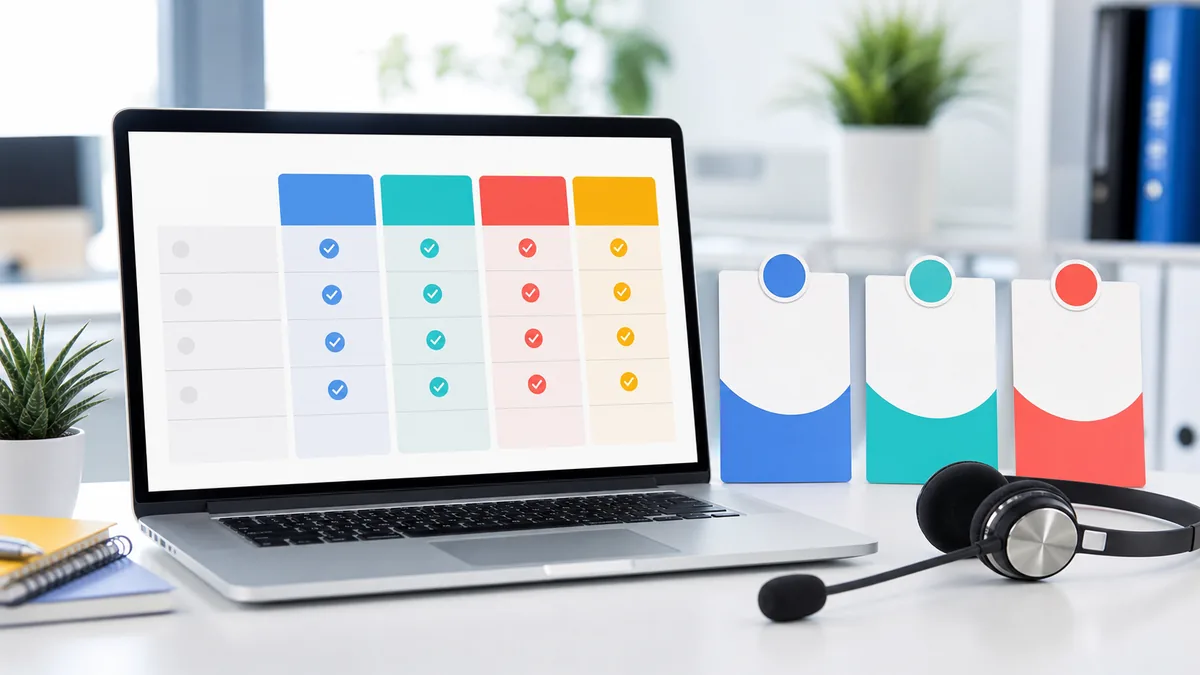
Comparing online services: price, support and commitments. A practical guide to making useful everyday choices.
Una proposta selezionata per chi vuole scegliere meglio.
Scopri Casa39 Tailor Brands Crea il brand che il tuo progetto merita.Logo, identita e strumenti digitali per partire con il piede giusto.
Crea il tuo brand Dowinx Scopri l'offerta di Dowinx.Una proposta selezionata per chi vuole scegliere meglio.
Scopri Dowinx MAGIX Creative Software IT Scopri l'offerta di MAGIX Creative Software IT.Una proposta selezionata per chi vuole scegliere meglio.
Scopri MAGIX Creative Software IT SamBoat IT Scopri l'offerta di SamBoat IT.Una proposta selezionata per chi vuole scegliere meglio.
Scopri SamBoat IT LaserPecker Scopri l'offerta di LaserPecker.Una proposta selezionata per chi vuole scegliere meglio.
Scopri LaserPeckerScopri Pulsetto e la sua proposta dedicata al benessere quotidiano.
Scopri Pulsetto MASTER Centro di Alta Formazione Fai il salto che la tua carriera aspetta.Scopri percorsi di alta formazione pensati per crescere davvero.
Scopri i percorsi Leep Ring Conosci meglio il tuo benessere, ogni giorno.Scopri Leep Ring e i suoi strumenti per monitorare le tue abitudini.
Scopri Leep Ring Babbel IT
Scopri l'offerta di Babbel IT.
Babbel IT
Scopri l'offerta di Babbel IT.
Una proposta selezionata per chi vuole scegliere meglio.
Scopri Babbel IT Inspire Uplift (US & Canada)
Scopri l'offerta di Inspire Uplift (US & Canada).
Inspire Uplift (US & Canada)
Scopri l'offerta di Inspire Uplift (US & Canada).
Una proposta selezionata per chi vuole scegliere meglio.
Scopri Inspire Uplift (US & Canada) Forever Feeling
Scopri l'offerta di Forever Feeling.
Forever Feeling
Scopri l'offerta di Forever Feeling.
Una proposta selezionata per chi vuole scegliere meglio.
Scopri Forever Feeling Matten Welt DE
Scopri l'offerta di Matten Welt DE.
Matten Welt DE
Scopri l'offerta di Matten Welt DE.
Una proposta selezionata per chi vuole scegliere meglio.
Scopri Matten Welt DE Afrodite Profumeria IT
Scopri l'offerta di Afrodite Profumeria IT.
Afrodite Profumeria IT
Scopri l'offerta di Afrodite Profumeria IT.
Una proposta selezionata per chi vuole scegliere meglio.
Scopri Afrodite Profumeria IT Fußmatten-Welt DE
Scopri l'offerta di Fußmatten-Welt DE.
Fußmatten-Welt DE
Scopri l'offerta di Fußmatten-Welt DE.
Una proposta selezionata per chi vuole scegliere meglio.
Scopri Fußmatten-Welt DE Materassi e Doghe IT
Scopri l'offerta di Materassi e Doghe IT.
Materassi e Doghe IT
Scopri l'offerta di Materassi e Doghe IT.
Una proposta selezionata per chi vuole scegliere meglio.
Scopri Materassi e Doghe IT Daniel Wellington IT
Scopri l'offerta di Daniel Wellington IT.
Daniel Wellington IT
Scopri l'offerta di Daniel Wellington IT.
Una proposta selezionata per chi vuole scegliere meglio.
Scopri Daniel Wellington IT Astonfarma It
Scopri l'offerta di Astonfarma It.
Astonfarma It
Scopri l'offerta di Astonfarma It.
Una proposta selezionata per chi vuole scegliere meglio.
Scopri Astonfarma It OutIn
Scopri l'offerta di OutIn.
OutIn
Scopri l'offerta di OutIn.
Una proposta selezionata per chi vuole scegliere meglio.
Scopri OutIn SHOCK VITALIZE
Scopri l'offerta di SHOCK VITALIZE.
SHOCK VITALIZE
Scopri l'offerta di SHOCK VITALIZE.
Una proposta selezionata per chi vuole scegliere meglio.
Scopri SHOCK VITALIZE H&S BROS. LLC
Scopri l'offerta di H&S BROS. LLC.
H&S BROS. LLC
Scopri l'offerta di H&S BROS. LLC.
Una proposta selezionata per chi vuole scegliere meglio.
Scopri H&S BROS. LLC Bontempo Profumi IT
Scopri l'offerta di Bontempo Profumi IT.
Bontempo Profumi IT
Scopri l'offerta di Bontempo Profumi IT.
Una proposta selezionata per chi vuole scegliere meglio.
Scopri Bontempo Profumi IT Connie Gray
Scopri l'offerta di Connie Gray.
Connie Gray
Scopri l'offerta di Connie Gray.
Una proposta selezionata per chi vuole scegliere meglio.
Scopri Connie Gray Octopus Energy IT
Scopri l'offerta di Octopus Energy IT.
Octopus Energy IT
Scopri l'offerta di Octopus Energy IT.
Una proposta selezionata per chi vuole scegliere meglio.
Scopri Octopus Energy IT Life Extension IT
Scopri l'offerta di Life Extension IT.
Life Extension IT
Scopri l'offerta di Life Extension IT.
Una proposta selezionata per chi vuole scegliere meglio.
Scopri Life Extension IT ISOQAR Academy
Scopri l'offerta di ISOQAR Academy.
ISOQAR Academy
Scopri l'offerta di ISOQAR Academy.
Una proposta selezionata per chi vuole scegliere meglio.
Scopri ISOQAR Academy POSIE AND PENN
Scopri l'offerta di POSIE AND PENN.
POSIE AND PENN
Scopri l'offerta di POSIE AND PENN.
Una proposta selezionata per chi vuole scegliere meglio.
Scopri POSIE AND PENN Gate Operators Direct
Scopri l'offerta di Gate Operators Direct.
Gate Operators Direct
Scopri l'offerta di Gate Operators Direct.
Una proposta selezionata per chi vuole scegliere meglio.
Scopri Gate Operators Direct Biltrx
Scopri l'offerta di Biltrx.
Biltrx
Scopri l'offerta di Biltrx.
Una proposta selezionata per chi vuole scegliere meglio.
Scopri Biltrx Tuttosport IT
Scopri l'offerta di Tuttosport IT.
Tuttosport IT
Scopri l'offerta di Tuttosport IT.
Una proposta selezionata per chi vuole scegliere meglio.
Scopri Tuttosport IT DoctorQuality
Scopri l'offerta di DoctorQuality.
DoctorQuality
Scopri l'offerta di DoctorQuality.
Una proposta selezionata per chi vuole scegliere meglio.
Scopri DoctorQuality Upway Italia
Scopri l'offerta di Upway Italia.
Upway Italia
Scopri l'offerta di Upway Italia.
Una proposta selezionata per chi vuole scegliere meglio.
Scopri Upway Italia ALLUREZ
Scopri l'offerta di ALLUREZ.
ALLUREZ
Scopri l'offerta di ALLUREZ.
Una proposta selezionata per chi vuole scegliere meglio.
Scopri ALLUREZ Delogh
Scopri l'offerta di Delogh.
Delogh
Scopri l'offerta di Delogh.
Una proposta selezionata per chi vuole scegliere meglio.
Scopri Delogh Dr.max PL
Scopri l'offerta di Dr.max PL.
Dr.max PL
Scopri l'offerta di Dr.max PL.
Una proposta selezionata per chi vuole scegliere meglio.
Scopri Dr.max PL Hotel.info
Scopri l'offerta di Hotel.info.
Hotel.info
Scopri l'offerta di Hotel.info.
Una proposta selezionata per chi vuole scegliere meglio.
Scopri Hotel.info Wondershare
Scopri l'offerta di Wondershare.
Wondershare
Scopri l'offerta di Wondershare.
Una proposta selezionata per chi vuole scegliere meglio.
Scopri Wondershare Navimow
Scopri l'offerta di Navimow.
Navimow
Scopri l'offerta di Navimow.
Una proposta selezionata per chi vuole scegliere meglio.
Scopri Navimow New Marine
Scopri l'offerta di New Marine.
New Marine
Scopri l'offerta di New Marine.
Una proposta selezionata per chi vuole scegliere meglio.
Scopri New Marine Il Libraccio
Migliaia di libri, musica e film a prezzi speciali.
Il Libraccio
Migliaia di libri, musica e film a prezzi speciali.
Trova la tua prossima lettura tra novita, usato e offerte.
Scopri le offerte Italo Treno
Scopri l'offerta di Italo Treno.
Italo Treno
Scopri l'offerta di Italo Treno.
Una proposta selezionata per chi vuole scegliere meglio.
Scopri Italo TrenoTwo online services can show the same monthly price and offer completely different experiences. Included users, limits, support, export, renewal and cancellation determine the actual cost. Comparing only the commercial table favors those who present the functions better, not necessarily those who solve the problem better.
A simple grid makes priorities explicit before testing. It does not produce a universal winner: it helps to understand which trade-off is consistent with the project’s use, risk and capacity. For regulated services or sensitive data, qualified technical and legal assessments are also needed.
Hotel.info
Scopri l'offerta di Hotel.info.
Una proposta selezionata per chi vuole scegliere meglio.
Scopri Hotel.info
Wondershare
Scopri l'offerta di Wondershare.
Una proposta selezionata per chi vuole scegliere meglio.
Scopri Wondershare
Navimow
Scopri l'offerta di Navimow.
Una proposta selezionata per chi vuole scegliere meglio.
Scopri Navimow
New Marine
Scopri l'offerta di New Marine.
Una proposta selezionata per chi vuole scegliere meglio.
Scopri New Marine
Il Libraccio
Migliaia di libri, musica e film a prezzi speciali.
Trova la tua prossima lettura tra novita, usato e offerte.
Scopri le offerte
Italo Treno
Scopri l'offerta di Italo Treno.
Una proposta selezionata per chi vuole scegliere meglio.
Scopri Italo TrenoUna proposta selezionata per chi vuole scegliere meglio.
Scopri Casa39 Tailor Brands Crea il brand che il tuo progetto merita.Logo, identita e strumenti digitali per partire con il piede giusto.
Crea il tuo brand Dowinx Scopri l'offerta di Dowinx.Una proposta selezionata per chi vuole scegliere meglio.
Scopri Dowinx MAGIX Creative Software IT Scopri l'offerta di MAGIX Creative Software IT.Una proposta selezionata per chi vuole scegliere meglio.
Scopri MAGIX Creative Software IT SamBoat IT Scopri l'offerta di SamBoat IT.Una proposta selezionata per chi vuole scegliere meglio.
Scopri SamBoat IT LaserPecker Scopri l'offerta di LaserPecker.Una proposta selezionata per chi vuole scegliere meglio.
Scopri LaserPeckerScopri Pulsetto e la sua proposta dedicata al benessere quotidiano.
Scopri Pulsetto MASTER Centro di Alta Formazione Fai il salto che la tua carriera aspetta.Scopri percorsi di alta formazione pensati per crescere davvero.
Scopri i percorsi Leep Ring Conosci meglio il tuo benessere, ogni giorno.Scopri Leep Ring e i suoi strumenti per monitorare le tue abitudini.
Scopri Leep Ring
Babbel IT
Scopri l'offerta di Babbel IT.
Una proposta selezionata per chi vuole scegliere meglio.
Scopri Babbel IT
Inspire Uplift (US & Canada)
Scopri l'offerta di Inspire Uplift (US & Canada).
Una proposta selezionata per chi vuole scegliere meglio.
Scopri Inspire Uplift (US & Canada)
Forever Feeling
Scopri l'offerta di Forever Feeling.
Una proposta selezionata per chi vuole scegliere meglio.
Scopri Forever Feeling
Matten Welt DE
Scopri l'offerta di Matten Welt DE.
Una proposta selezionata per chi vuole scegliere meglio.
Scopri Matten Welt DE
Afrodite Profumeria IT
Scopri l'offerta di Afrodite Profumeria IT.
Una proposta selezionata per chi vuole scegliere meglio.
Scopri Afrodite Profumeria IT
Fußmatten-Welt DE
Scopri l'offerta di Fußmatten-Welt DE.
Una proposta selezionata per chi vuole scegliere meglio.
Scopri Fußmatten-Welt DE
Materassi e Doghe IT
Scopri l'offerta di Materassi e Doghe IT.
Una proposta selezionata per chi vuole scegliere meglio.
Scopri Materassi e Doghe IT
Daniel Wellington IT
Scopri l'offerta di Daniel Wellington IT.
Una proposta selezionata per chi vuole scegliere meglio.
Scopri Daniel Wellington IT
Astonfarma It
Scopri l'offerta di Astonfarma It.
Una proposta selezionata per chi vuole scegliere meglio.
Scopri Astonfarma It
OutIn
Scopri l'offerta di OutIn.
Una proposta selezionata per chi vuole scegliere meglio.
Scopri OutIn
SHOCK VITALIZE
Scopri l'offerta di SHOCK VITALIZE.
Una proposta selezionata per chi vuole scegliere meglio.
Scopri SHOCK VITALIZE
H&S BROS. LLC
Scopri l'offerta di H&S BROS. LLC.
Una proposta selezionata per chi vuole scegliere meglio.
Scopri H&S BROS. LLC
Bontempo Profumi IT
Scopri l'offerta di Bontempo Profumi IT.
Una proposta selezionata per chi vuole scegliere meglio.
Scopri Bontempo Profumi IT
Connie Gray
Scopri l'offerta di Connie Gray.
Una proposta selezionata per chi vuole scegliere meglio.
Scopri Connie Gray
Octopus Energy IT
Scopri l'offerta di Octopus Energy IT.
Una proposta selezionata per chi vuole scegliere meglio.
Scopri Octopus Energy IT
Life Extension IT
Scopri l'offerta di Life Extension IT.
Una proposta selezionata per chi vuole scegliere meglio.
Scopri Life Extension IT
ISOQAR Academy
Scopri l'offerta di ISOQAR Academy.
Una proposta selezionata per chi vuole scegliere meglio.
Scopri ISOQAR Academy
POSIE AND PENN
Scopri l'offerta di POSIE AND PENN.
Una proposta selezionata per chi vuole scegliere meglio.
Scopri POSIE AND PENN
Gate Operators Direct
Scopri l'offerta di Gate Operators Direct.
Una proposta selezionata per chi vuole scegliere meglio.
Scopri Gate Operators Direct
Biltrx
Scopri l'offerta di Biltrx.
Una proposta selezionata per chi vuole scegliere meglio.
Scopri Biltrx
Tuttosport IT
Scopri l'offerta di Tuttosport IT.
Una proposta selezionata per chi vuole scegliere meglio.
Scopri Tuttosport IT
DoctorQuality
Scopri l'offerta di DoctorQuality.
Una proposta selezionata per chi vuole scegliere meglio.
Scopri DoctorQuality
Upway Italia
Scopri l'offerta di Upway Italia.
Una proposta selezionata per chi vuole scegliere meglio.
Scopri Upway Italia
ALLUREZ
Scopri l'offerta di ALLUREZ.
Una proposta selezionata per chi vuole scegliere meglio.
Scopri ALLUREZ
Delogh
Scopri l'offerta di Delogh.
Una proposta selezionata per chi vuole scegliere meglio.
Scopri Delogh
Dr.max PL
Scopri l'offerta di Dr.max PL.
Una proposta selezionata per chi vuole scegliere meglio.
Scopri Dr.max PLThe comparison starts with one sentence: Which task needs to become simpler or more reliable? “Need a CRM” is a category; “three people must see the status of requests without duplicating responses” is a requirement.
The requirements are divided into essential, useful and unnecessary. If an amenity is missing an essential element, a high score on decorative features doesn’t make up for it. The distinction prevents demos from changing priorities during comparison.
The real number of users, customers, files, submissions and integrations must be estimated today and in twelve months. Many affordable plans have low thresholds. Normal growth may force you to jump to a much more expensive plan.
The people involved must describe their passage. Those who insert, approve, consult and administer have different needs. A decision maker who does not use the system may underestimate daily steps.
Risk defines the depth of verification. For a personal app, a trial is enough; for payments, health data or team work you need security, contracts, continuity and accountability. The same grid must weigh the criteria differently.
Integrations must be named with action and direction. “Integrates with email” doesn’t explain whether it reads contacts, sends messages or syncs statuses. Version, limits and necessary plan must be checked in the documentation.
Compatibility also means language, currency, time zone, accessibility and devices. Excellent service in one market may require expensive adaptations in another. The test must use realistic local data and scenarios.
Before the demo, prepare a case with start, error and exit: create, correct, export and delete. The presentations show the ideal path; daily work includes exceptions.
Cost grid includes activation, fee, users, volume, integrations, storage, support, taxes and renewal. Promotions must be separated from the ordinary price. An annual contract splits the cost, but upfront money and reduces flexibility.
Configuration time has value. Importing data, creating models, training people, and fixing errors can exceed the fee. A simple, more expensive service may cost less in the first year if it reduces work.
Assistance must be proven with a concrete question. Channel, language, hours, response time and quality are more informative than “priority support”. We need to understand which problems are included and which are attributed to external integrations.
Documentation, guides and service status reduce ticket dependency. Updates and incidents should be communicated transparently. A community can help, but it does not replace contractual responsibility.
Export brings freedom. Formats, attachments, history, users and metadata must be recoverable. A downloadable but unusable file is not true portability. Evidence of import into an alternative environment offers evidence.
Cancellation must clarify notice, residual data, refunds and access after expiration. Deleting the payment method does not necessarily close the contract. The confirmation must be retained.
Security and privacy include multi-factor authentication, roles, encryption, backup, subcontractors, and data location. Certifications help but do not replace verification of the configuration and obligations.
Continuity requires backups, public status, procedures and manual alternative. No service guarantees total absence of interruptions. You need to know how to work and recover data when it is not available.
An effective grid can have ten lines: five requirements, annual cost, support, security, export and cancellation. Each entry receives proof, note and weight. Numbers without evidence create apparent precision.
The free trial must use a limited but real project, without unauthorized sensitive data. Two people run through the same flow and note down time, errors, and concerns. Ease of registration is not the main criterion.
The current service, even if manual, must enter into the comparison. A new subscription is only useful if it improves the process enough to justify the cost and change. Novelty is not a function.
The final score does not decide by itself. A blocking constraint can exclude the service with the highest average. The discussion must show compromises: better service but fewer integrations, lower price but weak exports.
A reversible decision starts with a few users, exportable data and a review date. Migrating everything before trying increases exit cost. The contract must allow for a proportionate phase.
After thirty or ninety days, results are compared with the promise: hours, errors, requests, costs and user satisfaction. If value doesn’t emerge, reducing or exiting is part of the test, not a failure.
The grill must be preserved. When prices or needs change, it allows you to update without starting over. The reasons for the choice remain visible even to new collaborators.
The stability of the supplier should be read without relying solely on size or notoriety. Update history, communications, export and termination conditions are signals. Even a great serve can change strategy; portability remains necessary.
The conditions on the use of content and artificial intelligence deserve a dedicated line. Uploaded data, output and customer materials can be processed in different ways. For confidential information, a specific assessment is required before the test.
Seemingly technical limits have operational effects: file size, number of automations, call frequency or available history. The grid must translate these into scenarios, such as how many projects get stuck upon passing.
The commercial references offered by the seller show selected cases. It is also useful to talk to similar users not indicated, read the status of incidents and try assistance. No single source describes the entire experience.
A decision maker must collect evidence and log exceptions. Voting without criteria favors personal preferences; a purely technical decision can override adoption. The grid makes both dimensions moot.
If two services remain equivalent, choosing the one with the simplest exit reduces risk. Export, short contract and open standards store future options without paying today for hypothetical functions.
Trial periods may limit features or support compared to the paid plan. Asking what differences exist avoids evaluating an environment that does not represent future use.
The conditions may provide for unilateral modifications with prior notice. Communication channel and possibility of withdrawal must be understood. An unmonitored administrative address can cause important alerts to be missed.
Translation quality also impacts errors, support, and adoption.
We asked Alessandro Garau, CEO of Vision to Value: “A good choice makes room for use, not just for acquisition.” The right criterion is easier to apply again.
For more information about Alessandro Garau and the perspectives developed by Vision to Value, explore the project pages and the articles on vision, coaching and strategic marketing.
Subscribe to the Vision to Value Letter to receive new articles and a considered selection of tools, ideas and books that help turn direction into practical decisions.
DoctorQuality
Scopri l'offerta di DoctorQuality.
Una proposta selezionata per chi vuole scegliere meglio.
Scopri DoctorQuality
Upway Italia
Scopri l'offerta di Upway Italia.
Una proposta selezionata per chi vuole scegliere meglio.
Scopri Upway Italia
ALLUREZ
Scopri l'offerta di ALLUREZ.
Una proposta selezionata per chi vuole scegliere meglio.
Scopri ALLUREZ
Delogh
Scopri l'offerta di Delogh.
Una proposta selezionata per chi vuole scegliere meglio.
Scopri Delogh
Dr.max PL
Scopri l'offerta di Dr.max PL.
Una proposta selezionata per chi vuole scegliere meglio.
Scopri Dr.max PL
Hotel.info
Scopri l'offerta di Hotel.info.
Una proposta selezionata per chi vuole scegliere meglio.
Scopri Hotel.info
Wondershare
Scopri l'offerta di Wondershare.
Una proposta selezionata per chi vuole scegliere meglio.
Scopri Wondershare
Navimow
Scopri l'offerta di Navimow.
Una proposta selezionata per chi vuole scegliere meglio.
Scopri Navimow
New Marine
Scopri l'offerta di New Marine.
Una proposta selezionata per chi vuole scegliere meglio.
Scopri New Marine
Il Libraccio
Migliaia di libri, musica e film a prezzi speciali.
Trova la tua prossima lettura tra novita, usato e offerte.
Scopri le offerte
Italo Treno
Scopri l'offerta di Italo Treno.
Una proposta selezionata per chi vuole scegliere meglio.
Scopri Italo TrenoUna proposta selezionata per chi vuole scegliere meglio.
Scopri Casa39 Tailor Brands Crea il brand che il tuo progetto merita.Logo, identita e strumenti digitali per partire con il piede giusto.
Crea il tuo brand Dowinx Scopri l'offerta di Dowinx.Una proposta selezionata per chi vuole scegliere meglio.
Scopri Dowinx MAGIX Creative Software IT Scopri l'offerta di MAGIX Creative Software IT.Una proposta selezionata per chi vuole scegliere meglio.
Scopri MAGIX Creative Software IT SamBoat IT Scopri l'offerta di SamBoat IT.Una proposta selezionata per chi vuole scegliere meglio.
Scopri SamBoat IT LaserPecker Scopri l'offerta di LaserPecker.Una proposta selezionata per chi vuole scegliere meglio.
Scopri LaserPeckerScopri Pulsetto e la sua proposta dedicata al benessere quotidiano.
Scopri Pulsetto MASTER Centro di Alta Formazione Fai il salto che la tua carriera aspetta.Scopri percorsi di alta formazione pensati per crescere davvero.
Scopri i percorsi Leep Ring Conosci meglio il tuo benessere, ogni giorno.Scopri Leep Ring e i suoi strumenti per monitorare le tue abitudini.
Scopri Leep Ring
Babbel IT
Scopri l'offerta di Babbel IT.
Una proposta selezionata per chi vuole scegliere meglio.
Scopri Babbel IT
Inspire Uplift (US & Canada)
Scopri l'offerta di Inspire Uplift (US & Canada).
Una proposta selezionata per chi vuole scegliere meglio.
Scopri Inspire Uplift (US & Canada)
Forever Feeling
Scopri l'offerta di Forever Feeling.
Una proposta selezionata per chi vuole scegliere meglio.
Scopri Forever Feeling
Matten Welt DE
Scopri l'offerta di Matten Welt DE.
Una proposta selezionata per chi vuole scegliere meglio.
Scopri Matten Welt DE
Afrodite Profumeria IT
Scopri l'offerta di Afrodite Profumeria IT.
Una proposta selezionata per chi vuole scegliere meglio.
Scopri Afrodite Profumeria IT
Fußmatten-Welt DE
Scopri l'offerta di Fußmatten-Welt DE.
Una proposta selezionata per chi vuole scegliere meglio.
Scopri Fußmatten-Welt DE
Materassi e Doghe IT
Scopri l'offerta di Materassi e Doghe IT.
Una proposta selezionata per chi vuole scegliere meglio.
Scopri Materassi e Doghe IT
Daniel Wellington IT
Scopri l'offerta di Daniel Wellington IT.
Una proposta selezionata per chi vuole scegliere meglio.
Scopri Daniel Wellington IT
Astonfarma It
Scopri l'offerta di Astonfarma It.
Una proposta selezionata per chi vuole scegliere meglio.
Scopri Astonfarma It
OutIn
Scopri l'offerta di OutIn.
Una proposta selezionata per chi vuole scegliere meglio.
Scopri OutIn
SHOCK VITALIZE
Scopri l'offerta di SHOCK VITALIZE.
Una proposta selezionata per chi vuole scegliere meglio.
Scopri SHOCK VITALIZE
H&S BROS. LLC
Scopri l'offerta di H&S BROS. LLC.
Una proposta selezionata per chi vuole scegliere meglio.
Scopri H&S BROS. LLC
Bontempo Profumi IT
Scopri l'offerta di Bontempo Profumi IT.
Una proposta selezionata per chi vuole scegliere meglio.
Scopri Bontempo Profumi IT
Connie Gray
Scopri l'offerta di Connie Gray.
Una proposta selezionata per chi vuole scegliere meglio.
Scopri Connie Gray
Octopus Energy IT
Scopri l'offerta di Octopus Energy IT.
Una proposta selezionata per chi vuole scegliere meglio.
Scopri Octopus Energy IT
Life Extension IT
Scopri l'offerta di Life Extension IT.
Una proposta selezionata per chi vuole scegliere meglio.
Scopri Life Extension IT
ISOQAR Academy
Scopri l'offerta di ISOQAR Academy.
Una proposta selezionata per chi vuole scegliere meglio.
Scopri ISOQAR Academy
POSIE AND PENN
Scopri l'offerta di POSIE AND PENN.
Una proposta selezionata per chi vuole scegliere meglio.
Scopri POSIE AND PENN
Gate Operators Direct
Scopri l'offerta di Gate Operators Direct.
Una proposta selezionata per chi vuole scegliere meglio.
Scopri Gate Operators Direct
Biltrx
Scopri l'offerta di Biltrx.
Una proposta selezionata per chi vuole scegliere meglio.
Scopri Biltrx
Tuttosport IT
Scopri l'offerta di Tuttosport IT.
Una proposta selezionata per chi vuole scegliere meglio.
Scopri Tuttosport ITEditorial note. Vision to Value is an independent digital editorial project updated without a regular publishing schedule. It is not a registered newspaper under Italian Law no. 47 of 8 February 1948. Its content is intended for informational, cultural and educational purposes and does not replace individual professional advice.
Commercial content, paid collaborations and sponsored materials are clearly identified with #ADV, “Advertising” or “Sponsored content”.
Utilizziamo cookie tecnici necessari al funzionamento del sito e, previo consenso, cookie analitici e di marketing per migliorare la tua esperienza e mostrarti contenuti pertinenti. Puoi modificare la scelta in qualsiasi momento. Privacy e cookie.