Physical Address
304 North Cardinal St.
Dorchester Center, MA 02124
Physical Address
304 North Cardinal St.
Dorchester Center, MA 02124
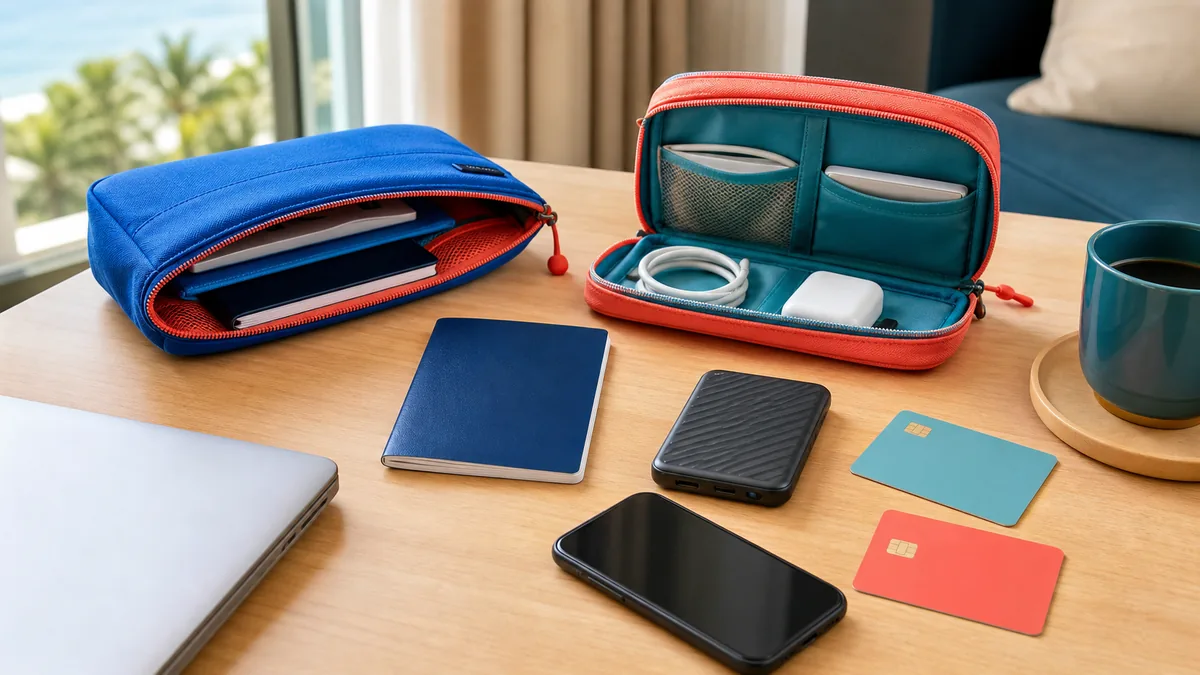
Protecting documents and devices while travelling. A practical guide to making useful everyday choices.
Una proposta selezionata per chi vuole scegliere meglio.
Scopri Casa39 Tailor Brands Crea il brand che il tuo progetto merita.Logo, identita e strumenti digitali per partire con il piede giusto.
Crea il tuo brand Dowinx Scopri l'offerta di Dowinx.Una proposta selezionata per chi vuole scegliere meglio.
Scopri Dowinx MAGIX Creative Software IT Scopri l'offerta di MAGIX Creative Software IT.Una proposta selezionata per chi vuole scegliere meglio.
Scopri MAGIX Creative Software IT SamBoat IT Scopri l'offerta di SamBoat IT.Una proposta selezionata per chi vuole scegliere meglio.
Scopri SamBoat IT LaserPecker Scopri l'offerta di LaserPecker.Una proposta selezionata per chi vuole scegliere meglio.
Scopri LaserPeckerScopri Pulsetto e la sua proposta dedicata al benessere quotidiano.
Scopri Pulsetto MASTER Centro di Alta Formazione Fai il salto che la tua carriera aspetta.Scopri percorsi di alta formazione pensati per crescere davvero.
Scopri i percorsi Leep Ring Conosci meglio il tuo benessere, ogni giorno.Scopri Leep Ring e i suoi strumenti per monitorare le tue abitudini.
Scopri Leep Ring Babbel IT
Scopri l'offerta di Babbel IT.
Babbel IT
Scopri l'offerta di Babbel IT.
Una proposta selezionata per chi vuole scegliere meglio.
Scopri Babbel IT Inspire Uplift (US & Canada)
Scopri l'offerta di Inspire Uplift (US & Canada).
Inspire Uplift (US & Canada)
Scopri l'offerta di Inspire Uplift (US & Canada).
Una proposta selezionata per chi vuole scegliere meglio.
Scopri Inspire Uplift (US & Canada) Forever Feeling
Scopri l'offerta di Forever Feeling.
Forever Feeling
Scopri l'offerta di Forever Feeling.
Una proposta selezionata per chi vuole scegliere meglio.
Scopri Forever Feeling Matten Welt DE
Scopri l'offerta di Matten Welt DE.
Matten Welt DE
Scopri l'offerta di Matten Welt DE.
Una proposta selezionata per chi vuole scegliere meglio.
Scopri Matten Welt DE Afrodite Profumeria IT
Scopri l'offerta di Afrodite Profumeria IT.
Afrodite Profumeria IT
Scopri l'offerta di Afrodite Profumeria IT.
Una proposta selezionata per chi vuole scegliere meglio.
Scopri Afrodite Profumeria IT Fußmatten-Welt DE
Scopri l'offerta di Fußmatten-Welt DE.
Fußmatten-Welt DE
Scopri l'offerta di Fußmatten-Welt DE.
Una proposta selezionata per chi vuole scegliere meglio.
Scopri Fußmatten-Welt DE Materassi e Doghe IT
Scopri l'offerta di Materassi e Doghe IT.
Materassi e Doghe IT
Scopri l'offerta di Materassi e Doghe IT.
Una proposta selezionata per chi vuole scegliere meglio.
Scopri Materassi e Doghe IT Daniel Wellington IT
Scopri l'offerta di Daniel Wellington IT.
Daniel Wellington IT
Scopri l'offerta di Daniel Wellington IT.
Una proposta selezionata per chi vuole scegliere meglio.
Scopri Daniel Wellington IT Astonfarma It
Scopri l'offerta di Astonfarma It.
Astonfarma It
Scopri l'offerta di Astonfarma It.
Una proposta selezionata per chi vuole scegliere meglio.
Scopri Astonfarma It OutIn
Scopri l'offerta di OutIn.
OutIn
Scopri l'offerta di OutIn.
Una proposta selezionata per chi vuole scegliere meglio.
Scopri OutIn SHOCK VITALIZE
Scopri l'offerta di SHOCK VITALIZE.
SHOCK VITALIZE
Scopri l'offerta di SHOCK VITALIZE.
Una proposta selezionata per chi vuole scegliere meglio.
Scopri SHOCK VITALIZE H&S BROS. LLC
Scopri l'offerta di H&S BROS. LLC.
H&S BROS. LLC
Scopri l'offerta di H&S BROS. LLC.
Una proposta selezionata per chi vuole scegliere meglio.
Scopri H&S BROS. LLC Bontempo Profumi IT
Scopri l'offerta di Bontempo Profumi IT.
Bontempo Profumi IT
Scopri l'offerta di Bontempo Profumi IT.
Una proposta selezionata per chi vuole scegliere meglio.
Scopri Bontempo Profumi IT Connie Gray
Scopri l'offerta di Connie Gray.
Connie Gray
Scopri l'offerta di Connie Gray.
Una proposta selezionata per chi vuole scegliere meglio.
Scopri Connie Gray Octopus Energy IT
Scopri l'offerta di Octopus Energy IT.
Octopus Energy IT
Scopri l'offerta di Octopus Energy IT.
Una proposta selezionata per chi vuole scegliere meglio.
Scopri Octopus Energy IT Life Extension IT
Scopri l'offerta di Life Extension IT.
Life Extension IT
Scopri l'offerta di Life Extension IT.
Una proposta selezionata per chi vuole scegliere meglio.
Scopri Life Extension IT ISOQAR Academy
Scopri l'offerta di ISOQAR Academy.
ISOQAR Academy
Scopri l'offerta di ISOQAR Academy.
Una proposta selezionata per chi vuole scegliere meglio.
Scopri ISOQAR Academy POSIE AND PENN
Scopri l'offerta di POSIE AND PENN.
POSIE AND PENN
Scopri l'offerta di POSIE AND PENN.
Una proposta selezionata per chi vuole scegliere meglio.
Scopri POSIE AND PENN Gate Operators Direct
Scopri l'offerta di Gate Operators Direct.
Gate Operators Direct
Scopri l'offerta di Gate Operators Direct.
Una proposta selezionata per chi vuole scegliere meglio.
Scopri Gate Operators Direct Biltrx
Scopri l'offerta di Biltrx.
Biltrx
Scopri l'offerta di Biltrx.
Una proposta selezionata per chi vuole scegliere meglio.
Scopri Biltrx Tuttosport IT
Scopri l'offerta di Tuttosport IT.
Tuttosport IT
Scopri l'offerta di Tuttosport IT.
Una proposta selezionata per chi vuole scegliere meglio.
Scopri Tuttosport IT DoctorQuality
Scopri l'offerta di DoctorQuality.
DoctorQuality
Scopri l'offerta di DoctorQuality.
Una proposta selezionata per chi vuole scegliere meglio.
Scopri DoctorQuality Upway Italia
Scopri l'offerta di Upway Italia.
Upway Italia
Scopri l'offerta di Upway Italia.
Una proposta selezionata per chi vuole scegliere meglio.
Scopri Upway Italia ALLUREZ
Scopri l'offerta di ALLUREZ.
ALLUREZ
Scopri l'offerta di ALLUREZ.
Una proposta selezionata per chi vuole scegliere meglio.
Scopri ALLUREZ Delogh
Scopri l'offerta di Delogh.
Delogh
Scopri l'offerta di Delogh.
Una proposta selezionata per chi vuole scegliere meglio.
Scopri Delogh Dr.max PL
Scopri l'offerta di Dr.max PL.
Dr.max PL
Scopri l'offerta di Dr.max PL.
Una proposta selezionata per chi vuole scegliere meglio.
Scopri Dr.max PL Hotel.info
Scopri l'offerta di Hotel.info.
Hotel.info
Scopri l'offerta di Hotel.info.
Una proposta selezionata per chi vuole scegliere meglio.
Scopri Hotel.info Wondershare
Scopri l'offerta di Wondershare.
Wondershare
Scopri l'offerta di Wondershare.
Una proposta selezionata per chi vuole scegliere meglio.
Scopri Wondershare Navimow
Scopri l'offerta di Navimow.
Navimow
Scopri l'offerta di Navimow.
Una proposta selezionata per chi vuole scegliere meglio.
Scopri Navimow New Marine
Scopri l'offerta di New Marine.
New Marine
Scopri l'offerta di New Marine.
Una proposta selezionata per chi vuole scegliere meglio.
Scopri New Marine Il Libraccio
Migliaia di libri, musica e film a prezzi speciali.
Il Libraccio
Migliaia di libri, musica e film a prezzi speciali.
Trova la tua prossima lettura tra novita, usato e offerte.
Scopri le offerte Italo Treno
Scopri l'offerta di Italo Treno.
Italo Treno
Scopri l'offerta di Italo Treno.
Una proposta selezionata per chi vuole scegliere meglio.
Scopri Italo TrenoDocuments and devices are often protected with a single gesture: putting everything in the same bag to control it better. In reality, passport, phone, cards, computers and codes concentrated in one point turn a theft or loss into a complete block. A good checklist distributes risks and prepares for recovery.
Procedures vary by country, document and situation. Before leaving it is necessary to consult the authorities, company and insurance, especially for visas, minors, medicines and professional data. This guide covers general organization and does not replace official guidance or safety advice.
Hotel.info
Scopri l'offerta di Hotel.info.
Una proposta selezionata per chi vuole scegliere meglio.
Scopri Hotel.info
Wondershare
Scopri l'offerta di Wondershare.
Una proposta selezionata per chi vuole scegliere meglio.
Scopri Wondershare
Navimow
Scopri l'offerta di Navimow.
Una proposta selezionata per chi vuole scegliere meglio.
Scopri Navimow
New Marine
Scopri l'offerta di New Marine.
Una proposta selezionata per chi vuole scegliere meglio.
Scopri New Marine
Il Libraccio
Migliaia di libri, musica e film a prezzi speciali.
Trova la tua prossima lettura tra novita, usato e offerte.
Scopri le offerte
Italo Treno
Scopri l'offerta di Italo Treno.
Una proposta selezionata per chi vuole scegliere meglio.
Scopri Italo TrenoUna proposta selezionata per chi vuole scegliere meglio.
Scopri Casa39 Tailor Brands Crea il brand che il tuo progetto merita.Logo, identita e strumenti digitali per partire con il piede giusto.
Crea il tuo brand Dowinx Scopri l'offerta di Dowinx.Una proposta selezionata per chi vuole scegliere meglio.
Scopri Dowinx MAGIX Creative Software IT Scopri l'offerta di MAGIX Creative Software IT.Una proposta selezionata per chi vuole scegliere meglio.
Scopri MAGIX Creative Software IT SamBoat IT Scopri l'offerta di SamBoat IT.Una proposta selezionata per chi vuole scegliere meglio.
Scopri SamBoat IT LaserPecker Scopri l'offerta di LaserPecker.Una proposta selezionata per chi vuole scegliere meglio.
Scopri LaserPeckerScopri Pulsetto e la sua proposta dedicata al benessere quotidiano.
Scopri Pulsetto MASTER Centro di Alta Formazione Fai il salto che la tua carriera aspetta.Scopri percorsi di alta formazione pensati per crescere davvero.
Scopri i percorsi Leep Ring Conosci meglio il tuo benessere, ogni giorno.Scopri Leep Ring e i suoi strumenti per monitorare le tue abitudini.
Scopri Leep Ring
Babbel IT
Scopri l'offerta di Babbel IT.
Una proposta selezionata per chi vuole scegliere meglio.
Scopri Babbel IT
Inspire Uplift (US & Canada)
Scopri l'offerta di Inspire Uplift (US & Canada).
Una proposta selezionata per chi vuole scegliere meglio.
Scopri Inspire Uplift (US & Canada)
Forever Feeling
Scopri l'offerta di Forever Feeling.
Una proposta selezionata per chi vuole scegliere meglio.
Scopri Forever Feeling
Matten Welt DE
Scopri l'offerta di Matten Welt DE.
Una proposta selezionata per chi vuole scegliere meglio.
Scopri Matten Welt DE
Afrodite Profumeria IT
Scopri l'offerta di Afrodite Profumeria IT.
Una proposta selezionata per chi vuole scegliere meglio.
Scopri Afrodite Profumeria IT
Fußmatten-Welt DE
Scopri l'offerta di Fußmatten-Welt DE.
Una proposta selezionata per chi vuole scegliere meglio.
Scopri Fußmatten-Welt DE
Materassi e Doghe IT
Scopri l'offerta di Materassi e Doghe IT.
Una proposta selezionata per chi vuole scegliere meglio.
Scopri Materassi e Doghe IT
Daniel Wellington IT
Scopri l'offerta di Daniel Wellington IT.
Una proposta selezionata per chi vuole scegliere meglio.
Scopri Daniel Wellington IT
Astonfarma It
Scopri l'offerta di Astonfarma It.
Una proposta selezionata per chi vuole scegliere meglio.
Scopri Astonfarma It
OutIn
Scopri l'offerta di OutIn.
Una proposta selezionata per chi vuole scegliere meglio.
Scopri OutIn
SHOCK VITALIZE
Scopri l'offerta di SHOCK VITALIZE.
Una proposta selezionata per chi vuole scegliere meglio.
Scopri SHOCK VITALIZE
H&S BROS. LLC
Scopri l'offerta di H&S BROS. LLC.
Una proposta selezionata per chi vuole scegliere meglio.
Scopri H&S BROS. LLC
Bontempo Profumi IT
Scopri l'offerta di Bontempo Profumi IT.
Una proposta selezionata per chi vuole scegliere meglio.
Scopri Bontempo Profumi IT
Connie Gray
Scopri l'offerta di Connie Gray.
Una proposta selezionata per chi vuole scegliere meglio.
Scopri Connie Gray
Octopus Energy IT
Scopri l'offerta di Octopus Energy IT.
Una proposta selezionata per chi vuole scegliere meglio.
Scopri Octopus Energy IT
Life Extension IT
Scopri l'offerta di Life Extension IT.
Una proposta selezionata per chi vuole scegliere meglio.
Scopri Life Extension IT
ISOQAR Academy
Scopri l'offerta di ISOQAR Academy.
Una proposta selezionata per chi vuole scegliere meglio.
Scopri ISOQAR Academy
POSIE AND PENN
Scopri l'offerta di POSIE AND PENN.
Una proposta selezionata per chi vuole scegliere meglio.
Scopri POSIE AND PENN
Gate Operators Direct
Scopri l'offerta di Gate Operators Direct.
Una proposta selezionata per chi vuole scegliere meglio.
Scopri Gate Operators Direct
Biltrx
Scopri l'offerta di Biltrx.
Una proposta selezionata per chi vuole scegliere meglio.
Scopri Biltrx
Tuttosport IT
Scopri l'offerta di Tuttosport IT.
Una proposta selezionata per chi vuole scegliere meglio.
Scopri Tuttosport IT
DoctorQuality
Scopri l'offerta di DoctorQuality.
Una proposta selezionata per chi vuole scegliere meglio.
Scopri DoctorQuality
Upway Italia
Scopri l'offerta di Upway Italia.
Una proposta selezionata per chi vuole scegliere meglio.
Scopri Upway Italia
ALLUREZ
Scopri l'offerta di ALLUREZ.
Una proposta selezionata per chi vuole scegliere meglio.
Scopri ALLUREZ
Delogh
Scopri l'offerta di Delogh.
Una proposta selezionata per chi vuole scegliere meglio.
Scopri Delogh
Dr.max PL
Scopri l'offerta di Dr.max PL.
Una proposta selezionata per chi vuole scegliere meglio.
Scopri Dr.max PLThe initial list includes travel document, visa, tickets, reservations, driving license, insurance, prescriptions and contacts. Not everything needs to be printed, but essential items need to remain accessible when the phone or network is down.
Copies do not replace the originals, but facilitate identification and reporting. An encrypted copy in a secure vault, an offline copy, and a trusted person can offer different levels. Sending everything to a regular email without protection concentrates the risk again.
Document numbers, consular contacts, insurance and card block must be saved separately from objects. It is also useful to note down how to access official services. Numbers found after an accident via search engines can lead to scams.
Deadlines and requirements should be checked in advance. Some countries require residual validity or free pages; Entry rules may change. Sources are government, embassy and carrier sites, not out-of-date posts.
For drugs and medical devices, packaging, documents and quantities compatible with the journey and destination are required. Rules on substances and transportation vary. Doctor, authority and company are the appropriate references.
Minors may require additional authorizations or documents, especially when traveling with only one parent or companion. Forms and procedures must be verified with competent authorities with sufficient time.
When moving, the original and copies should not be together. A discreet case close to the body can be useful, but must remain compatible with controls and comfort. There is no accessory that eliminates the risk of theft.
In hotels or accommodation, safe, reception and conditions of the structure must be evaluated. Leaving documents unattended or photographing them on shared devices increases exposure. The choice depends on the context and local indications.
Updates, strong code and encryption should be in place before travel. The biometric lock is convenient, but requires a secure alternative code. Notification previews on the locked screen can reveal codes and messages.
Remote locate and wipe functions must be configured and tested. You need to know which account to log in from another device and what conditions are needed. If the credentials are only stored on the lost phone, the function remains theoretical.
Multi-factor authentication must be made resilient. Securely stored recovery codes, an additional key, or a second authorized method prevent losing your phone from blocking your email, banking, and work. The methods must be compatible with the risk level.
The backup must be recent and verified. Photos, documents and projects can be synced, but offline access to essential data must be prepared. An untested backup is a promise, not a reliable copy.
For work devices, company policies, customer data and reporting requirements trump personal habits. It may be appropriate to travel with a dedicated device and the minimum amount of data needed. The security manager must be involved first.
Automatic networks and Bluetooth can connect without attention. Disabling unnecessary connections, avoiding unknown accessories and using your own cables reduces the risk surface. Public charging stations should not be automatically trusted.
Visual privacy matters in trains, airports and shared spaces. Screen, conversations and documents can be observed. Seat location, suitable filters and attention to what opens are simple measures.
Full name, address and phone labels make recovery easy but expose data. Limited contact or a securely managed code may be more proportionate. The device should be identifiable without publishing excessive information.
Deadlines, backups, updates, insurance and contacts occur seven days in advance. Twenty-four hours in advance, physical documents, copies, batteries, location and recovery methods are checked. The list reduces the load just when decisions increase.
Items are distributed: main and alternative card in different places, separate copies, magazine and battery accessible. The distribution doesn’t have to make it difficult to remember where everything is; a few fixed locations are better than many hiding places.
If a document is lost, authorities and representation are contacted according to official procedures. In the event of theft, a report is filed when requested and the insurance company is informed within the required time. You do not attempt to recover an object located in a risky location yourself.
The line is blocked for the telephone and the official protection functions are used. Changing passwords must start from the email and the most critical accounts, evaluating open sessions. Bank and cards must be contacted through verified numbers.
A message to your contacts may warn you to ignore requests from the lost device. Scammers can exploit your name, photos and conversations. You should not share codes received to “confirm the owner”.
After the emergency, times, case numbers and communications are noted. This information is used for claims and insurance. Copies of reports must be kept in an accessible and protected place.
Upon returning, the checklist is updated with what was missing or excessive. New risks don’t have to produce a suitcase of devices; the goal is to simplify recovery and reduce concentration.
Bags should not display expensive brands or accessories on the outside. Zippers, shoulder straps and pockets can slow down an opportunistic theft, but no product is inviolable. In crowded places, the position of the bag and attention remain crucial.
Devices left in cars are exposed to theft and extreme temperatures. Trunks and covers do not guarantee safety, especially if objects are moved in front of observers. The insurance information on custody and exclusions must be read first.
Different powers and procedures may apply at the border regarding access to devices. Those transporting sensitive professional data should receive legal and business guidance before travel, minimizing the information present and arranging emergency contacts.
Photographs of documents should not automatically appear in the shared gallery or cloud memories. Protected folders and synchronization rules should be checked. Deleting a photo from the gallery does not ensure that it has disappeared from backups, recycle bins, and connected devices.
An inventory with model, serial number and proof of purchase helps reporting and insurance. It must be stored outside the bag and protected. Photographing equipment before departure documents condition, without alone guaranteeing acceptance of a request.
We asked Alessandro Garau, CEO of Vision to Value: “Good decisions become clearer when the criteria are visible.” A choice remains useful when it can be reviewed calmly.
For more information about Alessandro Garau and the perspectives developed by Vision to Value, explore the project pages and the articles on vision, coaching and strategic marketing.
Subscribe to the Vision to Value Letter to receive new articles and a considered selection of tools, ideas and books that help turn direction into practical decisions.
DoctorQuality
Scopri l'offerta di DoctorQuality.
Una proposta selezionata per chi vuole scegliere meglio.
Scopri DoctorQuality
Upway Italia
Scopri l'offerta di Upway Italia.
Una proposta selezionata per chi vuole scegliere meglio.
Scopri Upway Italia
ALLUREZ
Scopri l'offerta di ALLUREZ.
Una proposta selezionata per chi vuole scegliere meglio.
Scopri ALLUREZ
Delogh
Scopri l'offerta di Delogh.
Una proposta selezionata per chi vuole scegliere meglio.
Scopri Delogh
Dr.max PL
Scopri l'offerta di Dr.max PL.
Una proposta selezionata per chi vuole scegliere meglio.
Scopri Dr.max PL
Hotel.info
Scopri l'offerta di Hotel.info.
Una proposta selezionata per chi vuole scegliere meglio.
Scopri Hotel.info
Wondershare
Scopri l'offerta di Wondershare.
Una proposta selezionata per chi vuole scegliere meglio.
Scopri Wondershare
Navimow
Scopri l'offerta di Navimow.
Una proposta selezionata per chi vuole scegliere meglio.
Scopri Navimow
New Marine
Scopri l'offerta di New Marine.
Una proposta selezionata per chi vuole scegliere meglio.
Scopri New Marine
Il Libraccio
Migliaia di libri, musica e film a prezzi speciali.
Trova la tua prossima lettura tra novita, usato e offerte.
Scopri le offerte
Italo Treno
Scopri l'offerta di Italo Treno.
Una proposta selezionata per chi vuole scegliere meglio.
Scopri Italo TrenoUna proposta selezionata per chi vuole scegliere meglio.
Scopri Casa39 Tailor Brands Crea il brand che il tuo progetto merita.Logo, identita e strumenti digitali per partire con il piede giusto.
Crea il tuo brand Dowinx Scopri l'offerta di Dowinx.Una proposta selezionata per chi vuole scegliere meglio.
Scopri Dowinx MAGIX Creative Software IT Scopri l'offerta di MAGIX Creative Software IT.Una proposta selezionata per chi vuole scegliere meglio.
Scopri MAGIX Creative Software IT SamBoat IT Scopri l'offerta di SamBoat IT.Una proposta selezionata per chi vuole scegliere meglio.
Scopri SamBoat IT LaserPecker Scopri l'offerta di LaserPecker.Una proposta selezionata per chi vuole scegliere meglio.
Scopri LaserPeckerScopri Pulsetto e la sua proposta dedicata al benessere quotidiano.
Scopri Pulsetto MASTER Centro di Alta Formazione Fai il salto che la tua carriera aspetta.Scopri percorsi di alta formazione pensati per crescere davvero.
Scopri i percorsi Leep Ring Conosci meglio il tuo benessere, ogni giorno.Scopri Leep Ring e i suoi strumenti per monitorare le tue abitudini.
Scopri Leep Ring
Babbel IT
Scopri l'offerta di Babbel IT.
Una proposta selezionata per chi vuole scegliere meglio.
Scopri Babbel IT
Inspire Uplift (US & Canada)
Scopri l'offerta di Inspire Uplift (US & Canada).
Una proposta selezionata per chi vuole scegliere meglio.
Scopri Inspire Uplift (US & Canada)
Forever Feeling
Scopri l'offerta di Forever Feeling.
Una proposta selezionata per chi vuole scegliere meglio.
Scopri Forever Feeling
Matten Welt DE
Scopri l'offerta di Matten Welt DE.
Una proposta selezionata per chi vuole scegliere meglio.
Scopri Matten Welt DE
Afrodite Profumeria IT
Scopri l'offerta di Afrodite Profumeria IT.
Una proposta selezionata per chi vuole scegliere meglio.
Scopri Afrodite Profumeria IT
Fußmatten-Welt DE
Scopri l'offerta di Fußmatten-Welt DE.
Una proposta selezionata per chi vuole scegliere meglio.
Scopri Fußmatten-Welt DE
Materassi e Doghe IT
Scopri l'offerta di Materassi e Doghe IT.
Una proposta selezionata per chi vuole scegliere meglio.
Scopri Materassi e Doghe IT
Daniel Wellington IT
Scopri l'offerta di Daniel Wellington IT.
Una proposta selezionata per chi vuole scegliere meglio.
Scopri Daniel Wellington IT
Astonfarma It
Scopri l'offerta di Astonfarma It.
Una proposta selezionata per chi vuole scegliere meglio.
Scopri Astonfarma It
OutIn
Scopri l'offerta di OutIn.
Una proposta selezionata per chi vuole scegliere meglio.
Scopri OutIn
SHOCK VITALIZE
Scopri l'offerta di SHOCK VITALIZE.
Una proposta selezionata per chi vuole scegliere meglio.
Scopri SHOCK VITALIZE
H&S BROS. LLC
Scopri l'offerta di H&S BROS. LLC.
Una proposta selezionata per chi vuole scegliere meglio.
Scopri H&S BROS. LLC
Bontempo Profumi IT
Scopri l'offerta di Bontempo Profumi IT.
Una proposta selezionata per chi vuole scegliere meglio.
Scopri Bontempo Profumi IT
Connie Gray
Scopri l'offerta di Connie Gray.
Una proposta selezionata per chi vuole scegliere meglio.
Scopri Connie Gray
Octopus Energy IT
Scopri l'offerta di Octopus Energy IT.
Una proposta selezionata per chi vuole scegliere meglio.
Scopri Octopus Energy IT
Life Extension IT
Scopri l'offerta di Life Extension IT.
Una proposta selezionata per chi vuole scegliere meglio.
Scopri Life Extension IT
ISOQAR Academy
Scopri l'offerta di ISOQAR Academy.
Una proposta selezionata per chi vuole scegliere meglio.
Scopri ISOQAR Academy
POSIE AND PENN
Scopri l'offerta di POSIE AND PENN.
Una proposta selezionata per chi vuole scegliere meglio.
Scopri POSIE AND PENN
Gate Operators Direct
Scopri l'offerta di Gate Operators Direct.
Una proposta selezionata per chi vuole scegliere meglio.
Scopri Gate Operators Direct
Biltrx
Scopri l'offerta di Biltrx.
Una proposta selezionata per chi vuole scegliere meglio.
Scopri Biltrx
Tuttosport IT
Scopri l'offerta di Tuttosport IT.
Una proposta selezionata per chi vuole scegliere meglio.
Scopri Tuttosport ITEditorial note. Vision to Value is an independent digital editorial project updated without a regular publishing schedule. It is not a registered newspaper under Italian Law no. 47 of 8 February 1948. Its content is intended for informational, cultural and educational purposes and does not replace individual professional advice.
Commercial content, paid collaborations and sponsored materials are clearly identified with #ADV, “Advertising” or “Sponsored content”.
Utilizziamo cookie tecnici necessari al funzionamento del sito e, previo consenso, cookie analitici e di marketing per migliorare la tua esperienza e mostrarti contenuti pertinenti. Puoi modificare la scelta in qualsiasi momento. Privacy e cookie.