Physical Address
304 North Cardinal St.
Dorchester Center, MA 02124
Physical Address
304 North Cardinal St.
Dorchester Center, MA 02124
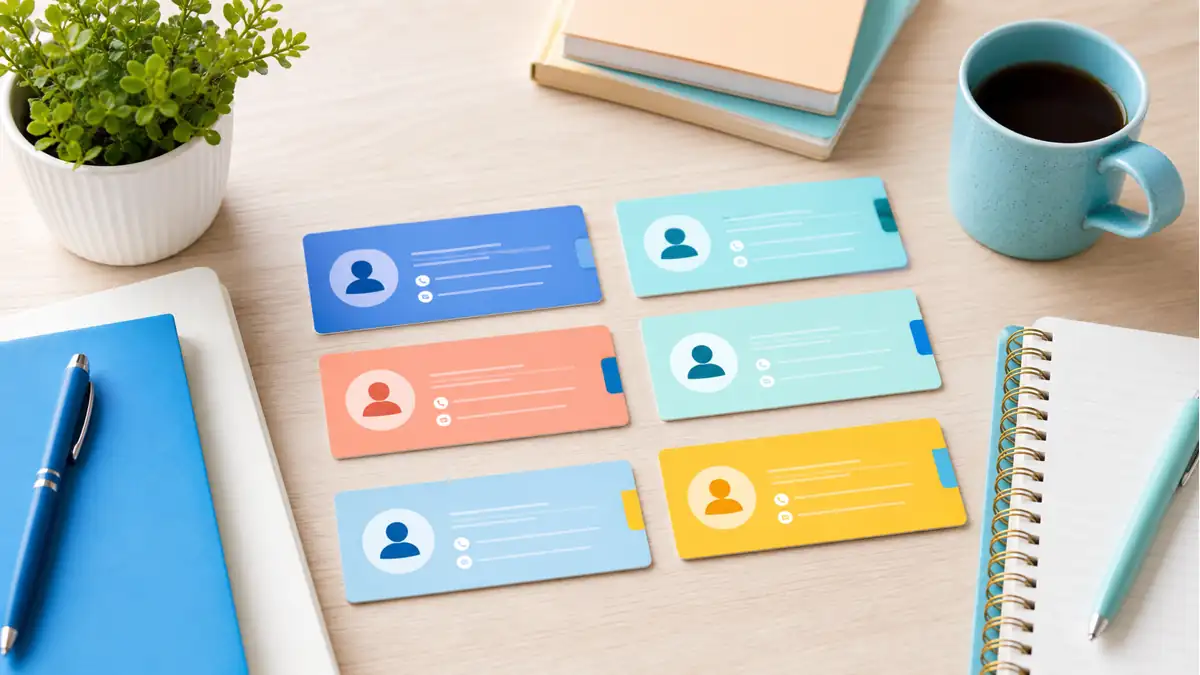
A CRM helps when it protects follow-up and context. It complicates work when features and processes become heavier than the relationships they serve.
Una proposta selezionata per chi vuole scegliere meglio.
Scopri Casa39 Tailor Brands Crea il brand che il tuo progetto merita.Logo, identita e strumenti digitali per partire con il piede giusto.
Crea il tuo brand Dowinx Scopri l'offerta di Dowinx.Una proposta selezionata per chi vuole scegliere meglio.
Scopri Dowinx MAGIX Creative Software IT Scopri l'offerta di MAGIX Creative Software IT.Una proposta selezionata per chi vuole scegliere meglio.
Scopri MAGIX Creative Software IT SamBoat IT Scopri l'offerta di SamBoat IT.Una proposta selezionata per chi vuole scegliere meglio.
Scopri SamBoat IT LaserPecker Scopri l'offerta di LaserPecker.Una proposta selezionata per chi vuole scegliere meglio.
Scopri LaserPeckerScopri Pulsetto e la sua proposta dedicata al benessere quotidiano.
Scopri Pulsetto MASTER Centro di Alta Formazione Fai il salto che la tua carriera aspetta.Scopri percorsi di alta formazione pensati per crescere davvero.
Scopri i percorsi Leep Ring Conosci meglio il tuo benessere, ogni giorno.Scopri Leep Ring e i suoi strumenti per monitorare le tue abitudini.
Scopri Leep Ring Babbel IT
Scopri l'offerta di Babbel IT.
Babbel IT
Scopri l'offerta di Babbel IT.
Una proposta selezionata per chi vuole scegliere meglio.
Scopri Babbel IT Inspire Uplift (US & Canada)
Scopri l'offerta di Inspire Uplift (US & Canada).
Inspire Uplift (US & Canada)
Scopri l'offerta di Inspire Uplift (US & Canada).
Una proposta selezionata per chi vuole scegliere meglio.
Scopri Inspire Uplift (US & Canada) Forever Feeling
Scopri l'offerta di Forever Feeling.
Forever Feeling
Scopri l'offerta di Forever Feeling.
Una proposta selezionata per chi vuole scegliere meglio.
Scopri Forever Feeling Matten Welt DE
Scopri l'offerta di Matten Welt DE.
Matten Welt DE
Scopri l'offerta di Matten Welt DE.
Una proposta selezionata per chi vuole scegliere meglio.
Scopri Matten Welt DE Afrodite Profumeria IT
Scopri l'offerta di Afrodite Profumeria IT.
Afrodite Profumeria IT
Scopri l'offerta di Afrodite Profumeria IT.
Una proposta selezionata per chi vuole scegliere meglio.
Scopri Afrodite Profumeria IT Fußmatten-Welt DE
Scopri l'offerta di Fußmatten-Welt DE.
Fußmatten-Welt DE
Scopri l'offerta di Fußmatten-Welt DE.
Una proposta selezionata per chi vuole scegliere meglio.
Scopri Fußmatten-Welt DE Materassi e Doghe IT
Scopri l'offerta di Materassi e Doghe IT.
Materassi e Doghe IT
Scopri l'offerta di Materassi e Doghe IT.
Una proposta selezionata per chi vuole scegliere meglio.
Scopri Materassi e Doghe IT Daniel Wellington IT
Scopri l'offerta di Daniel Wellington IT.
Daniel Wellington IT
Scopri l'offerta di Daniel Wellington IT.
Una proposta selezionata per chi vuole scegliere meglio.
Scopri Daniel Wellington IT Astonfarma It
Scopri l'offerta di Astonfarma It.
Astonfarma It
Scopri l'offerta di Astonfarma It.
Una proposta selezionata per chi vuole scegliere meglio.
Scopri Astonfarma It OutIn
Scopri l'offerta di OutIn.
OutIn
Scopri l'offerta di OutIn.
Una proposta selezionata per chi vuole scegliere meglio.
Scopri OutIn SHOCK VITALIZE
Scopri l'offerta di SHOCK VITALIZE.
SHOCK VITALIZE
Scopri l'offerta di SHOCK VITALIZE.
Una proposta selezionata per chi vuole scegliere meglio.
Scopri SHOCK VITALIZE H&S BROS. LLC
Scopri l'offerta di H&S BROS. LLC.
H&S BROS. LLC
Scopri l'offerta di H&S BROS. LLC.
Una proposta selezionata per chi vuole scegliere meglio.
Scopri H&S BROS. LLC Bontempo Profumi IT
Scopri l'offerta di Bontempo Profumi IT.
Bontempo Profumi IT
Scopri l'offerta di Bontempo Profumi IT.
Una proposta selezionata per chi vuole scegliere meglio.
Scopri Bontempo Profumi IT Connie Gray
Scopri l'offerta di Connie Gray.
Connie Gray
Scopri l'offerta di Connie Gray.
Una proposta selezionata per chi vuole scegliere meglio.
Scopri Connie Gray Octopus Energy IT
Scopri l'offerta di Octopus Energy IT.
Octopus Energy IT
Scopri l'offerta di Octopus Energy IT.
Una proposta selezionata per chi vuole scegliere meglio.
Scopri Octopus Energy IT Life Extension IT
Scopri l'offerta di Life Extension IT.
Life Extension IT
Scopri l'offerta di Life Extension IT.
Una proposta selezionata per chi vuole scegliere meglio.
Scopri Life Extension IT ISOQAR Academy
Scopri l'offerta di ISOQAR Academy.
ISOQAR Academy
Scopri l'offerta di ISOQAR Academy.
Una proposta selezionata per chi vuole scegliere meglio.
Scopri ISOQAR Academy POSIE AND PENN
Scopri l'offerta di POSIE AND PENN.
POSIE AND PENN
Scopri l'offerta di POSIE AND PENN.
Una proposta selezionata per chi vuole scegliere meglio.
Scopri POSIE AND PENN Gate Operators Direct
Scopri l'offerta di Gate Operators Direct.
Gate Operators Direct
Scopri l'offerta di Gate Operators Direct.
Una proposta selezionata per chi vuole scegliere meglio.
Scopri Gate Operators Direct Biltrx
Scopri l'offerta di Biltrx.
Biltrx
Scopri l'offerta di Biltrx.
Una proposta selezionata per chi vuole scegliere meglio.
Scopri Biltrx Tuttosport IT
Scopri l'offerta di Tuttosport IT.
Tuttosport IT
Scopri l'offerta di Tuttosport IT.
Una proposta selezionata per chi vuole scegliere meglio.
Scopri Tuttosport IT DoctorQuality
Scopri l'offerta di DoctorQuality.
DoctorQuality
Scopri l'offerta di DoctorQuality.
Una proposta selezionata per chi vuole scegliere meglio.
Scopri DoctorQuality Upway Italia
Scopri l'offerta di Upway Italia.
Upway Italia
Scopri l'offerta di Upway Italia.
Una proposta selezionata per chi vuole scegliere meglio.
Scopri Upway Italia ALLUREZ
Scopri l'offerta di ALLUREZ.
ALLUREZ
Scopri l'offerta di ALLUREZ.
Una proposta selezionata per chi vuole scegliere meglio.
Scopri ALLUREZ Delogh
Scopri l'offerta di Delogh.
Delogh
Scopri l'offerta di Delogh.
Una proposta selezionata per chi vuole scegliere meglio.
Scopri Delogh Dr.max PL
Scopri l'offerta di Dr.max PL.
Dr.max PL
Scopri l'offerta di Dr.max PL.
Una proposta selezionata per chi vuole scegliere meglio.
Scopri Dr.max PL Hotel.info
Scopri l'offerta di Hotel.info.
Hotel.info
Scopri l'offerta di Hotel.info.
Una proposta selezionata per chi vuole scegliere meglio.
Scopri Hotel.info Wondershare
Scopri l'offerta di Wondershare.
Wondershare
Scopri l'offerta di Wondershare.
Una proposta selezionata per chi vuole scegliere meglio.
Scopri Wondershare Navimow
Scopri l'offerta di Navimow.
Navimow
Scopri l'offerta di Navimow.
Una proposta selezionata per chi vuole scegliere meglio.
Scopri Navimow New Marine
Scopri l'offerta di New Marine.
New Marine
Scopri l'offerta di New Marine.
Una proposta selezionata per chi vuole scegliere meglio.
Scopri New Marine Il Libraccio
Migliaia di libri, musica e film a prezzi speciali.
Il Libraccio
Migliaia di libri, musica e film a prezzi speciali.
Trova la tua prossima lettura tra novita, usato e offerte.
Scopri le offerte Italo Treno
Scopri l'offerta di Italo Treno.
Italo Treno
Scopri l'offerta di Italo Treno.
Una proposta selezionata per chi vuole scegliere meglio.
Scopri Italo TrenoA CRM is often presented as the inevitable step for those who want to work more efficiently. In reality, many professionals don’t need it right away. If you only have a few requests, you follow them personally, and you always know the status of a conversation, a simple spreadsheet or a well-managed email inbox can suffice. The problem isn’t using too little software. The problem is losing context while a relationship is still ongoing.
A contact writes to you after reading an article, asks for information, receives a response, and then disappears for two weeks. Another was introduced by a client and needs a proposal. A third has scheduled a call but asks to hear back in September. If all this information remains in messages, notes on your phone, and your memory, the likelihood of forgetting a step increases without you realizing it. This is where a CRM for professionals starts to be useful: not to turn every relationship into a negotiation, but to maintain focus, promises, and future actions.
Hotel.info
Scopri l'offerta di Hotel.info.
Una proposta selezionata per chi vuole scegliere meglio.
Scopri Hotel.info
Wondershare
Scopri l'offerta di Wondershare.
Una proposta selezionata per chi vuole scegliere meglio.
Scopri Wondershare
Navimow
Scopri l'offerta di Navimow.
Una proposta selezionata per chi vuole scegliere meglio.
Scopri Navimow
New Marine
Scopri l'offerta di New Marine.
Una proposta selezionata per chi vuole scegliere meglio.
Scopri New Marine
Il Libraccio
Migliaia di libri, musica e film a prezzi speciali.
Trova la tua prossima lettura tra novita, usato e offerte.
Scopri le offerte
Italo Treno
Scopri l'offerta di Italo Treno.
Una proposta selezionata per chi vuole scegliere meglio.
Scopri Italo TrenoUna proposta selezionata per chi vuole scegliere meglio.
Scopri Casa39 Tailor Brands Crea il brand che il tuo progetto merita.Logo, identita e strumenti digitali per partire con il piede giusto.
Crea il tuo brand Dowinx Scopri l'offerta di Dowinx.Una proposta selezionata per chi vuole scegliere meglio.
Scopri Dowinx MAGIX Creative Software IT Scopri l'offerta di MAGIX Creative Software IT.Una proposta selezionata per chi vuole scegliere meglio.
Scopri MAGIX Creative Software IT SamBoat IT Scopri l'offerta di SamBoat IT.Una proposta selezionata per chi vuole scegliere meglio.
Scopri SamBoat IT LaserPecker Scopri l'offerta di LaserPecker.Una proposta selezionata per chi vuole scegliere meglio.
Scopri LaserPeckerScopri Pulsetto e la sua proposta dedicata al benessere quotidiano.
Scopri Pulsetto MASTER Centro di Alta Formazione Fai il salto che la tua carriera aspetta.Scopri percorsi di alta formazione pensati per crescere davvero.
Scopri i percorsi Leep Ring Conosci meglio il tuo benessere, ogni giorno.Scopri Leep Ring e i suoi strumenti per monitorare le tue abitudini.
Scopri Leep Ring
Babbel IT
Scopri l'offerta di Babbel IT.
Una proposta selezionata per chi vuole scegliere meglio.
Scopri Babbel IT
Inspire Uplift (US & Canada)
Scopri l'offerta di Inspire Uplift (US & Canada).
Una proposta selezionata per chi vuole scegliere meglio.
Scopri Inspire Uplift (US & Canada)
Forever Feeling
Scopri l'offerta di Forever Feeling.
Una proposta selezionata per chi vuole scegliere meglio.
Scopri Forever Feeling
Matten Welt DE
Scopri l'offerta di Matten Welt DE.
Una proposta selezionata per chi vuole scegliere meglio.
Scopri Matten Welt DE
Afrodite Profumeria IT
Scopri l'offerta di Afrodite Profumeria IT.
Una proposta selezionata per chi vuole scegliere meglio.
Scopri Afrodite Profumeria IT
Fußmatten-Welt DE
Scopri l'offerta di Fußmatten-Welt DE.
Una proposta selezionata per chi vuole scegliere meglio.
Scopri Fußmatten-Welt DE
Materassi e Doghe IT
Scopri l'offerta di Materassi e Doghe IT.
Una proposta selezionata per chi vuole scegliere meglio.
Scopri Materassi e Doghe IT
Daniel Wellington IT
Scopri l'offerta di Daniel Wellington IT.
Una proposta selezionata per chi vuole scegliere meglio.
Scopri Daniel Wellington IT
Astonfarma It
Scopri l'offerta di Astonfarma It.
Una proposta selezionata per chi vuole scegliere meglio.
Scopri Astonfarma It
OutIn
Scopri l'offerta di OutIn.
Una proposta selezionata per chi vuole scegliere meglio.
Scopri OutIn
SHOCK VITALIZE
Scopri l'offerta di SHOCK VITALIZE.
Una proposta selezionata per chi vuole scegliere meglio.
Scopri SHOCK VITALIZE
H&S BROS. LLC
Scopri l'offerta di H&S BROS. LLC.
Una proposta selezionata per chi vuole scegliere meglio.
Scopri H&S BROS. LLC
Bontempo Profumi IT
Scopri l'offerta di Bontempo Profumi IT.
Una proposta selezionata per chi vuole scegliere meglio.
Scopri Bontempo Profumi IT
Connie Gray
Scopri l'offerta di Connie Gray.
Una proposta selezionata per chi vuole scegliere meglio.
Scopri Connie Gray
Octopus Energy IT
Scopri l'offerta di Octopus Energy IT.
Una proposta selezionata per chi vuole scegliere meglio.
Scopri Octopus Energy IT
Life Extension IT
Scopri l'offerta di Life Extension IT.
Una proposta selezionata per chi vuole scegliere meglio.
Scopri Life Extension IT
ISOQAR Academy
Scopri l'offerta di ISOQAR Academy.
Una proposta selezionata per chi vuole scegliere meglio.
Scopri ISOQAR Academy
POSIE AND PENN
Scopri l'offerta di POSIE AND PENN.
Una proposta selezionata per chi vuole scegliere meglio.
Scopri POSIE AND PENN
Gate Operators Direct
Scopri l'offerta di Gate Operators Direct.
Una proposta selezionata per chi vuole scegliere meglio.
Scopri Gate Operators Direct
Biltrx
Scopri l'offerta di Biltrx.
Una proposta selezionata per chi vuole scegliere meglio.
Scopri Biltrx
Tuttosport IT
Scopri l'offerta di Tuttosport IT.
Una proposta selezionata per chi vuole scegliere meglio.
Scopri Tuttosport IT
DoctorQuality
Scopri l'offerta di DoctorQuality.
Una proposta selezionata per chi vuole scegliere meglio.
Scopri DoctorQuality
Upway Italia
Scopri l'offerta di Upway Italia.
Una proposta selezionata per chi vuole scegliere meglio.
Scopri Upway Italia
ALLUREZ
Scopri l'offerta di ALLUREZ.
Una proposta selezionata per chi vuole scegliere meglio.
Scopri ALLUREZ
Delogh
Scopri l'offerta di Delogh.
Una proposta selezionata per chi vuole scegliere meglio.
Scopri Delogh
Dr.max PL
Scopri l'offerta di Dr.max PL.
Una proposta selezionata per chi vuole scegliere meglio.
Scopri Dr.max PLSo the question isn’t which CRM is more comprehensive. It’s whether there’s a real process that’s becoming difficult to follow today. Vision to Value addresses this issue because relationship tools are one of the most interesting digital niches, but they must be recommended wisely. A subscription won’t solve a confusing proposal, a slow response, or a lack of consensus in contact. However, it can help ensure important conversations don’t fall through the cracks.
The first sign is simple: you can no longer quickly reconstruct the last interaction with a person. If you have to open five emails, search WhatsApp, and retrieve a file to understand what you agreed upon, the problem isn’t your memory. It’s the lack of a shared reference point. A CRM stores a basic record: who the person is, how they arrived, what need they expressed, what you sent them, and what next steps you agreed upon.
The second sign is the presence of reminders based solely on goodwill. An independent professional manages many priorities: work with current clients, deliveries, administration, content, and research. Writing “call Marco back” in a notebook can work as long as there are only a few requests. When requests increase, the risk isn’t just losing a sale. It’s leaving a person without a response after inviting them to contact you. A reminder linked to the conversation avoids precisely this: it reminds you why you need to write, not just that you need to do it.
The third sign appears when multiple people are participating in the same process. A small agency, a studio, or an editorial project may receive requests that are passed between the content curator, the initial caller, and the proposal writer. Without a shared space, everyone owns a piece of the story. With a lightweight CRM, however, the relationship remains legible even when the person managing it changes.
However, the desire for prettier graphics or the fear of appearing unstructured are not signs. If the workflow is still uncertain, digitizing it too soon can only complicate it. First, you need to know which phases actually exist. For example: request received, first response, scheduled discussion, proposal sent, decision, and possible follow-up. Five clear steps are more useful than twenty created columns because the software makes them available.
To get started, you only need a few fields: name, email, contact source, request topic, conversation phase, next action, and next step date. In some cases, it may be useful to add the service of interest or preferred channel. Everything else should be added only when a concrete need arises. The more fields you force people to fill in, the greater the risk of turning a useful tool into an archive that no one updates.
The same rule applies to automation. A confirmation response after a form can be appropriate if it clearly states that the message has been received and when a response will arrive. An internal reminder can help ensure a request isn’t forgotten. Building long, impersonal sequences for each person who downloads a guide is a different matter. Automation should reduce repetitive steps, not replace judgment on what a person actually asked.
Before choosing a platform, test with ten real or simulated contacts. Include a request from the website, a customer report, a scheduled call, and a person you’ll contact in a month. See if, after a week, you can immediately understand what to do. If you have to create numerous exceptions or open other tools to complete the picture, the chosen solution isn’t yet simple enough.
During the evaluation phase, it’s worth considering four aspects. The first is data export: contacts and notes must remain recoverable if you change services. The second is the connection to your website and forms, without collecting unnecessary data. The third is permission management, essential if multiple people access the information. The fourth is the cost after the promotional period, including the features you really need, not the ones you see on the presentation page.
This focus also prevents a common confusion: a CRM is not a mailing list. Those who contact you to request information have not automatically requested to receive promotional communications. Marketing consent must remain distinct, understandable, and revocable. Trust built with an initial conversation is worth more than a list grown ambiguously.
After a few weeks, the question shouldn’t be how many records the system holds. It should be: Are we responding more consistently? Are people receiving the promised follow-up? Do we know where the most relevant requests are coming from? Do scheduled meetings have a clearer context? These signs show whether the CRM is streamlining work or simply moving clutter to a new interface.
It can be helpful to dedicate thirty minutes a month to cleaning up. Close completed conversations, update pending requests, eliminate duplicates, and note recurring questions. This last activity is also valuable for publishing: frequently asked questions can become articles, FAQs, a guide, or a clearer services page. In this sense, the CRM isn’t just a sales tool. It’s a small observatory of the words people use to describe their needs.
For Vision to Value, any comparisons between platforms will always start from this: for whom is it useful, which work makes easier, what limitations exist, and what data is required. Where affiliate links are present, this will be clearly indicated. A purchase may generate a commission at no additional cost to the reader, but the editorial choice will remain based on actual usefulness and not just remuneration.
A CRM is truly useful to a professional when it helps them do something well that already matters: not forgetting a person, a commitment, or a step. If it requires more maintenance than it provides clarity, it’s either too early or the wrong tool. The best solution is one that remains almost invisible and leaves more room for the quality of the response.
We asked Alessandro Garau, CEO of Vision to Value: “The criterion is not controlling people, but protecting the quality of the relationship. A well-used CRM remembers a promise, avoids impersonal messages and shows when not to insist.” When it becomes only a list of names to pursue, it loses both its human and strategic value.
For more information about Alessandro Garau and the perspectives developed by Vision to Value, explore the project pages and the articles on vision, coaching and strategic marketing.
Subscribe to the Vision to Value Letter to receive new articles and a considered selection of tools, ideas and books that help turn direction into practical decisions.
DoctorQuality
Scopri l'offerta di DoctorQuality.
Una proposta selezionata per chi vuole scegliere meglio.
Scopri DoctorQuality
Upway Italia
Scopri l'offerta di Upway Italia.
Una proposta selezionata per chi vuole scegliere meglio.
Scopri Upway Italia
ALLUREZ
Scopri l'offerta di ALLUREZ.
Una proposta selezionata per chi vuole scegliere meglio.
Scopri ALLUREZ
Delogh
Scopri l'offerta di Delogh.
Una proposta selezionata per chi vuole scegliere meglio.
Scopri Delogh
Dr.max PL
Scopri l'offerta di Dr.max PL.
Una proposta selezionata per chi vuole scegliere meglio.
Scopri Dr.max PL
Hotel.info
Scopri l'offerta di Hotel.info.
Una proposta selezionata per chi vuole scegliere meglio.
Scopri Hotel.info
Wondershare
Scopri l'offerta di Wondershare.
Una proposta selezionata per chi vuole scegliere meglio.
Scopri Wondershare
Navimow
Scopri l'offerta di Navimow.
Una proposta selezionata per chi vuole scegliere meglio.
Scopri Navimow
New Marine
Scopri l'offerta di New Marine.
Una proposta selezionata per chi vuole scegliere meglio.
Scopri New Marine
Il Libraccio
Migliaia di libri, musica e film a prezzi speciali.
Trova la tua prossima lettura tra novita, usato e offerte.
Scopri le offerte
Italo Treno
Scopri l'offerta di Italo Treno.
Una proposta selezionata per chi vuole scegliere meglio.
Scopri Italo TrenoUna proposta selezionata per chi vuole scegliere meglio.
Scopri Casa39 Tailor Brands Crea il brand che il tuo progetto merita.Logo, identita e strumenti digitali per partire con il piede giusto.
Crea il tuo brand Dowinx Scopri l'offerta di Dowinx.Una proposta selezionata per chi vuole scegliere meglio.
Scopri Dowinx MAGIX Creative Software IT Scopri l'offerta di MAGIX Creative Software IT.Una proposta selezionata per chi vuole scegliere meglio.
Scopri MAGIX Creative Software IT SamBoat IT Scopri l'offerta di SamBoat IT.Una proposta selezionata per chi vuole scegliere meglio.
Scopri SamBoat IT LaserPecker Scopri l'offerta di LaserPecker.Una proposta selezionata per chi vuole scegliere meglio.
Scopri LaserPeckerScopri Pulsetto e la sua proposta dedicata al benessere quotidiano.
Scopri Pulsetto MASTER Centro di Alta Formazione Fai il salto che la tua carriera aspetta.Scopri percorsi di alta formazione pensati per crescere davvero.
Scopri i percorsi Leep Ring Conosci meglio il tuo benessere, ogni giorno.Scopri Leep Ring e i suoi strumenti per monitorare le tue abitudini.
Scopri Leep Ring
Babbel IT
Scopri l'offerta di Babbel IT.
Una proposta selezionata per chi vuole scegliere meglio.
Scopri Babbel IT
Inspire Uplift (US & Canada)
Scopri l'offerta di Inspire Uplift (US & Canada).
Una proposta selezionata per chi vuole scegliere meglio.
Scopri Inspire Uplift (US & Canada)
Forever Feeling
Scopri l'offerta di Forever Feeling.
Una proposta selezionata per chi vuole scegliere meglio.
Scopri Forever Feeling
Matten Welt DE
Scopri l'offerta di Matten Welt DE.
Una proposta selezionata per chi vuole scegliere meglio.
Scopri Matten Welt DE
Afrodite Profumeria IT
Scopri l'offerta di Afrodite Profumeria IT.
Una proposta selezionata per chi vuole scegliere meglio.
Scopri Afrodite Profumeria IT
Fußmatten-Welt DE
Scopri l'offerta di Fußmatten-Welt DE.
Una proposta selezionata per chi vuole scegliere meglio.
Scopri Fußmatten-Welt DE
Materassi e Doghe IT
Scopri l'offerta di Materassi e Doghe IT.
Una proposta selezionata per chi vuole scegliere meglio.
Scopri Materassi e Doghe IT
Daniel Wellington IT
Scopri l'offerta di Daniel Wellington IT.
Una proposta selezionata per chi vuole scegliere meglio.
Scopri Daniel Wellington IT
Astonfarma It
Scopri l'offerta di Astonfarma It.
Una proposta selezionata per chi vuole scegliere meglio.
Scopri Astonfarma It
OutIn
Scopri l'offerta di OutIn.
Una proposta selezionata per chi vuole scegliere meglio.
Scopri OutIn
SHOCK VITALIZE
Scopri l'offerta di SHOCK VITALIZE.
Una proposta selezionata per chi vuole scegliere meglio.
Scopri SHOCK VITALIZE
H&S BROS. LLC
Scopri l'offerta di H&S BROS. LLC.
Una proposta selezionata per chi vuole scegliere meglio.
Scopri H&S BROS. LLC
Bontempo Profumi IT
Scopri l'offerta di Bontempo Profumi IT.
Una proposta selezionata per chi vuole scegliere meglio.
Scopri Bontempo Profumi IT
Connie Gray
Scopri l'offerta di Connie Gray.
Una proposta selezionata per chi vuole scegliere meglio.
Scopri Connie Gray
Octopus Energy IT
Scopri l'offerta di Octopus Energy IT.
Una proposta selezionata per chi vuole scegliere meglio.
Scopri Octopus Energy IT
Life Extension IT
Scopri l'offerta di Life Extension IT.
Una proposta selezionata per chi vuole scegliere meglio.
Scopri Life Extension IT
ISOQAR Academy
Scopri l'offerta di ISOQAR Academy.
Una proposta selezionata per chi vuole scegliere meglio.
Scopri ISOQAR Academy
POSIE AND PENN
Scopri l'offerta di POSIE AND PENN.
Una proposta selezionata per chi vuole scegliere meglio.
Scopri POSIE AND PENN
Gate Operators Direct
Scopri l'offerta di Gate Operators Direct.
Una proposta selezionata per chi vuole scegliere meglio.
Scopri Gate Operators Direct
Biltrx
Scopri l'offerta di Biltrx.
Una proposta selezionata per chi vuole scegliere meglio.
Scopri Biltrx
Tuttosport IT
Scopri l'offerta di Tuttosport IT.
Una proposta selezionata per chi vuole scegliere meglio.
Scopri Tuttosport ITEditorial note. Vision to Value is an independent digital editorial project updated without a regular publishing schedule. It is not a registered newspaper under Italian Law no. 47 of 8 February 1948. Its content is intended for informational, cultural and educational purposes and does not replace individual professional advice.
Commercial content, paid collaborations and sponsored materials are clearly identified with #ADV, “Advertising” or “Sponsored content”.
Utilizziamo cookie tecnici necessari al funzionamento del sito e, previo consenso, cookie analitici e di marketing per migliorare la tua esperienza e mostrarti contenuti pertinenti. Puoi modificare la scelta in qualsiasi momento. Privacy e cookie.